Healthy Soup Recipes: Nourishment That Works Backward From Wellness
Before we talk about chopping vegetables or simmering broth, let’s start with a quiet truth many home cooks discover late: healthy soup recipes are not about recipes at all. They are about rhythm—how nutrition, digestion, mental comfort, and habit formation align in one bowl. Soups succeed where complex meal plans fail because they are forgiving, adaptable, and deeply human.
From a nutritional psychology angle, warm soups reduce decision fatigue. From a practical wellness view, they hydrate, detox gently, and support gut balance. Historically, every culture leaned on soup during recovery, fasting cycles, and seasonal transitions. Now, let’s reverse-engineer how this simple food became a modern health solution.
How to Make Soups (A Practitioner’s Method, Not a Rulebook)
Most people think soup starts with ingredients. In reality, soup starts with intention. Are you cooking for immunity, weight balance, digestion, or energy stability? That intention decides texture, protein density, fiber load, and spice choice.
Here’s the simplified framework I use in practice kitchens for making healthy soups recipes:
- Base logic: liquid first (vegetable stock, bone broth, lentil water)
- Body builders: legumes, blended vegetables, grains
- Functional fats: olive oil, coconut oil, seeds
- Digestive activators: ginger, garlic, cumin, black pepper
- Finishing nutrients: herbs, lemon, fermented sides
Contrary to popular belief, boiling longer does not always equal healthier. Gentle simmering preserves minerals and supports bioavailability. Healthy soups are more about balance than restriction.
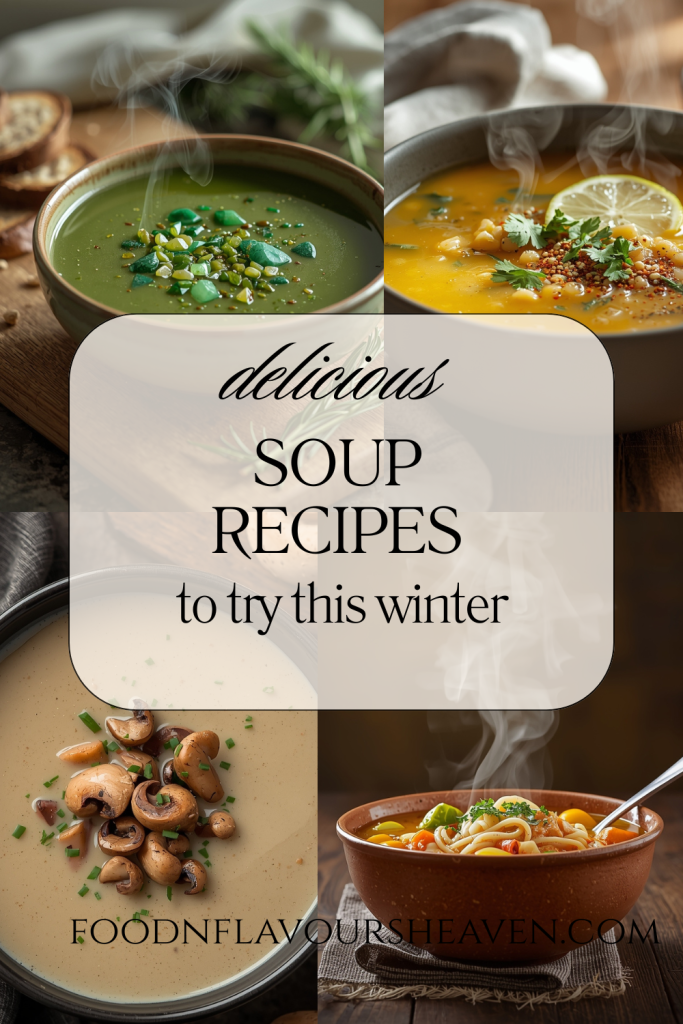
Recipe 1: Golden Lentil Detox Soup (Trending for Gut Reset)
This soup is popular in wellness circles because it combines plant protein, anti-inflammatory spices, and slow-release carbohydrates. for more recipe related content you can follow foodnflavoursheaven.com
Ingredients
- Red lentils
- Turmeric powder
- Fresh ginger
- Garlic cloves
- Onion
- Carrot
- Vegetable broth
- Olive oil
- Sea salt
Total Process of soup recipes
Start by sautéing onion, garlic, and ginger in olive oil until aromatic. Add turmeric and carrots briefly to activate fat-soluble compounds. Pour in rinsed lentils and broth. Simmer gently for 20–25 minutes until soft. Blend partially for texture control. Adjust salt and rest the soup for five minutes before serving—this improves flavor absorption.
These soup recipes works especially well during detox weeks or after travel fatigue.
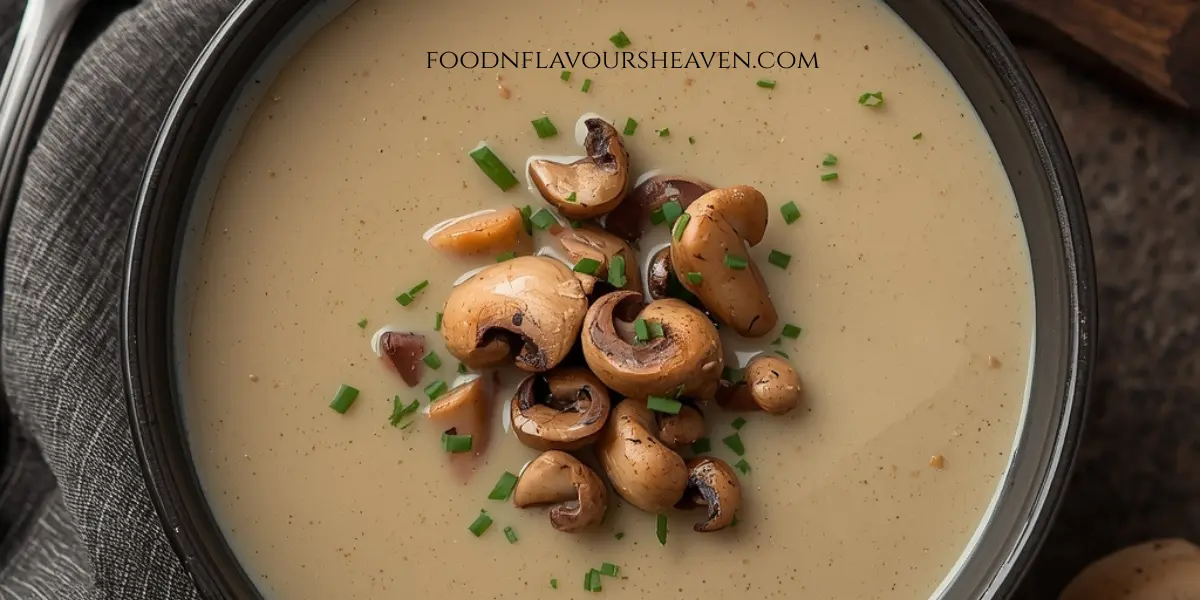
Recipe 2: Creamy Mushroom Immunity Soup (A Modern Comfort Trend)
Mushroom-based soups are gaining attention due to their beta-glucans and immune-supportive compounds.
Ingredients
- Button or shiitake mushrooms
- Onion
- Garlic
- Thyme
- Black pepper
- Oat milk or almond milk
- Vegetable stock
- Olive oil
Total Process
in this soup recipes, Sauté mushrooms on medium heat until moisture releases. Add onion, garlic, and thyme. Deglaze with vegetable stock and simmer for 15 minutes. Blend with plant milk until creamy. Finish with cracked black pepper. Avoid overcooking to retain umami depth and micronutrients.
This soup challenges the myth that creamy equals unhealthy. When made right, it supports immunity and satiety.
Recipe 3: Green Mineral Healing Soup (Popular in Plant-Based Nutrition)
Green soups reflect a psychological shift toward mineral nourishment and cellular hydration.
Ingredients
- Spinach
- Zucchini
- Broccoli
- Celery
- Fresh parsley
- Lemon juice
- Vegetable broth
- Pumpkin seeds
Total Process
Steam vegetables lightly instead of boiling. Blend with warm broth and parsley until smooth. Add lemon juice last to preserve vitamin C. Top with crushed pumpkin seeds for zinc and texture.
This soup recipes is often used during mental clarity phases or light fasting days.
How to Enjoy These Soups (Beyond the Bowl)
Healthy soup consumption improves when paired with mindful habits:
- Eat soups earlier in the evening for better digestion
- Sip slowly to activate satiety hormones
- Use warm ceramic bowls to maintain temperature
- Rotate textures weekly to avoid taste fatigue
From a behavioral nutrition view, soup recipes reduce binge triggers and stabilize blood sugar when consumed consistently.
Which Other Recipes Go Better With These Soups?
Soup recipes don’t need heavy sides. Complementary recipes should support not compete with digestion:
- Fermented sourdough toast
- Quinoa or millet flatbread
- Light cucumber yogurt salad
- Roasted chickpeas or seeds
- Steamed greens with lemon
These combinations enhance nutrient absorption while keeping meals light and functional.
Conclusion: Soup as a Lifestyle, Not a Shortcut
Healthy soup recipes are often underestimated because they look simple. In practice, they are strategic tools supporting immunity, digestion, mental calm, and sustainable eating habits. When approached intentionally, soup becomes more than comfort food; it becomes nutritional infrastructure.
If you’re seeking an easy, scalable way to eat better without stress, soup recipes is not the beginning it’s the answer you work backward toward.
Frequently Asked Questions
Are healthy soups good for weight loss?
Yes. High-fiber, protein-balanced soups promote fullness and reduce overeating without calorie obsession.
Can I meal prep soups for the week?
Absolutely. Most vegetable-based soups stay fresh for 3–4 days refrigerated and freeze well.
Is blending soup unhealthy?
No. Blending improves digestibility and nutrient absorption, especially for people with sensitive digestion.
Can soups replace a full meal?
When properly structured with protein, fats, and fiber, soups can function as complete meals.
What is the best liquid base for healthy soups?
Vegetable broth, bone broth, and lentil water offer the best mineral and collagen profiles.