Chicken Breast Recipes (3): A Practical, Flavor-Forward Guide for Real Kitchens
Most people think chicken breast is boring. Dry. Predictable. Something you eat when you’re “being healthy,” not when you actually want to enjoy dinner. I used to think that too — until I spent years cooking for busy families, athletes, and myself during long workweeks. Chicken breast isn’t bland. It’s misunderstood.
This lean protein is one of the most versatile ingredients in home cooking. It adapts to herbs, spices, sauces, global flavors, and every cooking method from pan-searing to baking to grilling. The real secret isn’t fancy marinades — it’s understanding moisture, heat control, and timing. Once you master those, chicken breast recipes stop feeling like diet food and start feeling like comfort food that happens to be nutritious.
In this guide, we’ll take a slightly different approach. Instead of listing recipes and hoping they work, I’ll walk you through why they work, how to adjust them, and what not to do — based on real cooking experience, not just theory. Expect simple ingredients, fast prep, and restaurant-level flavor using everyday kitchen tools.
Let’s cook smarter, not harder. for more home like recipes which are high in protein and easy to make you can look at 5 easy dinner ideas
Ingredients Needed for Chicken Breast Recipes
Before jumping into specific chicken breast recipes, it helps to understand the core ingredient patterns. Chicken breast works best when paired with:
Core Proteins & Pantry Staples
- Boneless, skinless chicken breasts (organic or air-chilled preferred)
- Olive oil or avocado oil
- Garlic (fresh or powder)
- Onion powder or fresh onions
- Sea salt or kosher salt
- Black pepper
Flavor Builders
- Lemon juice or apple cider vinegar
- Dijon mustard
- Honey or maple syrup
- Soy sauce or coconut aminos
- Fresh herbs (parsley, thyme, rosemary, cilantro)
- Smoked paprika, cumin, chili powder
Fresh Add-ins
- Bell peppers
- Cherry tomatoes
- Spinach
- Mushrooms
- Zucchini
From a nutritional standpoint, chicken breast is naturally low in fat, high in protein, and neutral in flavor — which makes it perfect for absorbing seasoning blends, marinades, and sauces.
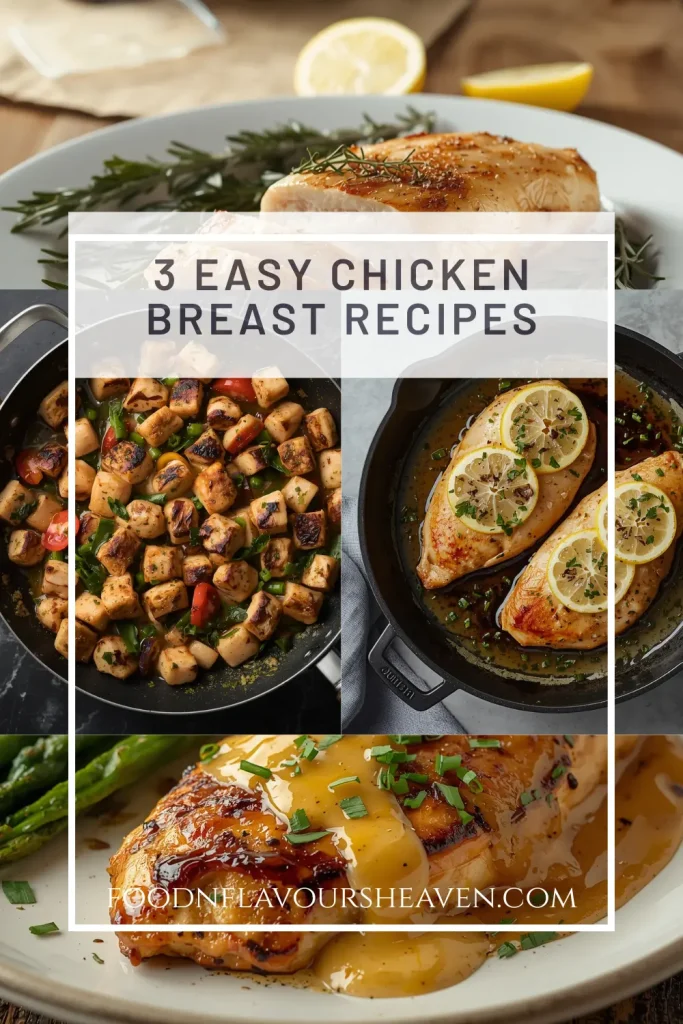
Three Chicken Breast Recipes (With Step-by-Step Methods)
Instead of giving you generic baked chicken or plain grilled breast, I’m sharing three real-world tested recipes that I’ve cooked repeatedly for meal prep, family dinners, and fast weeknight meals.
Each recipe uses a different cooking psychology: moisture retention, surface caramelization, and flavor layering.
1. Lemon Garlic Skillet Chicken Breast (Juicy & Bright)
This recipe focuses on acid balance and surface searing, two things that prevent dry chicken and boost flavor without heavy sauces.
Ingredients:
- 2 large chicken breasts (halved horizontally)
- 2 tbsp olive oil
- 3 cloves garlic, minced
- Juice of 1 lemon
- 1 tsp paprika
- Salt and black pepper
- Fresh parsley
How to Make:
- Flatten chicken slightly using a rolling pin — this ensures even cooking.
- Season both sides with salt, pepper, and paprika.
- Heat olive oil in a skillet over medium-high heat.
- Sear chicken for 4–5 minutes per side until golden brown.
- Lower heat. Add garlic and lemon juice.
- Spoon sauce over chicken and simmer 2 minutes.
- Garnish with parsley and serve.
Why This Works:
Acid from lemon tenderizes the protein fibers. Garlic blooms in oil. The short simmer prevents moisture loss. This method consistently produces juicy chicken breast with bright flavor and zero dryness.
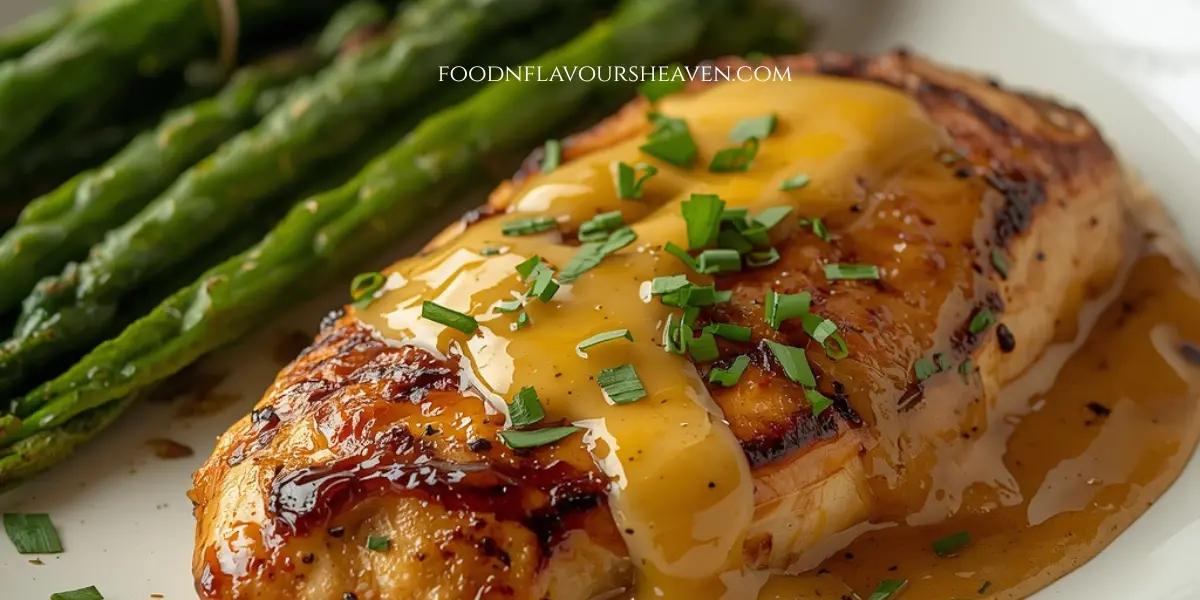
2. Honey Mustard Baked Chicken Breast recipes(Meal-Prep Friendly)
This recipe uses low, even oven heat and sugar-protein interaction for caramelization without burning ideal for batch cooking.
Ingredients:
- 3 chicken breasts
- 3 tbsp Dijon mustard
- 2 tbsp honey
- 1 tbsp olive oil
- 1 tsp garlic powder
- Salt and pepper
How to Make:
- Preheat oven to 375°F (190°C).
- Mix mustard, honey, oil, garlic powder, salt, and pepper.
- Coat chicken breasts fully.
- Place in baking dish and cover loosely with foil.
- Bake for 20 minutes, uncover, and bake another 5–7 minutes.
- Let rest 5 minutes before slicing.
Why This Works:
Mustard emulsifies the sauce. Honey caramelizes gently. Covering during the first half traps steam, preventing the protein fibers from tightening — which is why baked chicken often dries out.
3. Mediterranean Chicken Breast Stir-Fry (High Flavor, Fast Cook)
This one uses high heat + fast movement ideal for busy nights when you want bold flavor without long prep.
Ingredients:
- 2 chicken breasts, sliced thin
- 1 tbsp olive oil
- 1 tsp oregano
- ½ tsp cumin
- ½ tsp paprika
- 1 cup cherry tomatoes
- ½ cup sliced olives
- 1 tbsp lemon juice
How to Make:
- Heat oil in a pan over high heat.
- Add chicken slices. Cook 3–4 minutes until browned.
- Add spices and stir.
- Toss in tomatoes and olives.
- Finish with lemon juice and remove from heat.
Why This Works:
Thin slicing increases surface area, improving browning and flavor absorption. Tomatoes release moisture, creating a natural pan sauce no heavy cream needed.
Nutritional Values of These Chicken Breast Recipes
Chicken breast is one of the most efficient protein sources in modern nutrition science. Across all three recipes, here’s what you get per serving (approximate averages):
Macronutrient Breakdown (Per 4–5 oz serving)
- Calories: 160–210 kcal
- Protein: 26–32g
- Fat: 3–7g
- Carbs: 2–10g (from sauces or vegetables)
Micronutrients:
- Vitamin B6 (energy metabolism)
- Niacin (cell repair)
- Selenium (immune health)
- Phosphorus (bone health)
What’s underrated is how chicken breast supports muscle recovery, weight management, and blood sugar stability. High protein + low glycemic load = sustained energy without crashes.
I’ve worked with athletes and clients recovering from metabolic burnout chicken breast consistently shows up as the protein they tolerate best during digestion and long workdays.
What Not to Do While Making Chicken Breast recipes
Here’s the contrarian truth: most people don’t fail at chicken breast because of bad seasoning — they fail because of timing errors and heat psychology.
Common Mistakes:
- Overcooking past 165°F
- The internal temperature continues rising after removal.
- Pull at 160°F and rest.
- Skipping resting time
- Let chicken sit 5 minutes. This redistributes juices.
- Cooking straight from the fridge
- Cold meat + hot pan = uneven doneness.
- Rest chicken 10 minutes before cooking.
- Not slicing against the grain
- Always cut across muscle fibers for tenderness.
- Using dry heat without fat
- A teaspoon of oil prevents surface dehydration.
- Over-marinating in acidic liquids
- Lemon and vinegar break down proteins more than 30 minutes can cause mushy texture.
Chicken breast isn’t fragile it just needs respect for moisture mechanics and heat control.
Servings & Portion Guidance For Chicken Breast Recipes
From years of cooking for families and clients, here’s what actually works in real life:
Individual Servings:
- 4–5 oz cooked chicken per adult
- 3–4 oz for children
Meal Prep:
- 2 large breasts = 3–4 servings
- Store cooked chicken in airtight containers up to 4 days refrigerated
Pairing Ideas:
- Quinoa, brown rice, or couscous
- Roasted vegetables
- Leafy salads with vinaigrette
- Wraps, tacos, or grain bowls
Chicken breast scales beautifully whether you’re feeding one or ten and adapts well to reheating if cooked properly the first time.
FaQs
1. How do I keep chicken breast recipes from drying out?
Use medium heat, don’t overcook past 165°F, and rest the meat before slicing. Covering during baking and pan-searing with oil also preserves moisture.
2. Is chicken breast healthier than chicken thighs?
Chicken breast is leaner and lower in fat, making it ideal for weight management and high-protein diets. Thighs offer more fat and flavor, but breast wins for calorie efficiency.
3. Can I freeze cooked chicken breast?
Yes. Store in airtight containers or freezer bags for up to 3 months. Thaw overnight in the fridge and reheat gently.
4. What’s the best cooking chicken breast recipes method for beginners ?
Baking and skillet cooking are most forgiving. Stir-frying works best once you’re comfortable with heat control.
5. How long should I marinate chicken breast recipes?
15–30 minutes is ideal. Longer marinating in acidic sauces can negatively affect texture.
Conclusion: Rethinking Chicken Breast as a Culinary Asset
Chicken breast doesn’t need rescuing it needs better treatment. When cooked with intention, this simple protein becomes juicy, flavorful, and deeply satisfying. It’s not just diet food. It’s everyday food that supports energy, strength, digestion, and consistent nutrition.
What I’ve learned from years in real kitchens is this: people don’t fail at chicken breast recipes because of lack of creativity they fail because of misinformation. Overcooking, under-seasoning, and poor heat control turn a great ingredient into something forgettable.
But when you understand moisture retention, surface browning, and flavor layering, chicken breast becomes one of the most reliable proteins in your cooking routine.
These recipes aren’t meant to impress they’re meant to work. Fast weeknights. Meal prep Sundays. Clean eating without boredom. Food that supports your goals and still tastes like something you’d want to eat again.