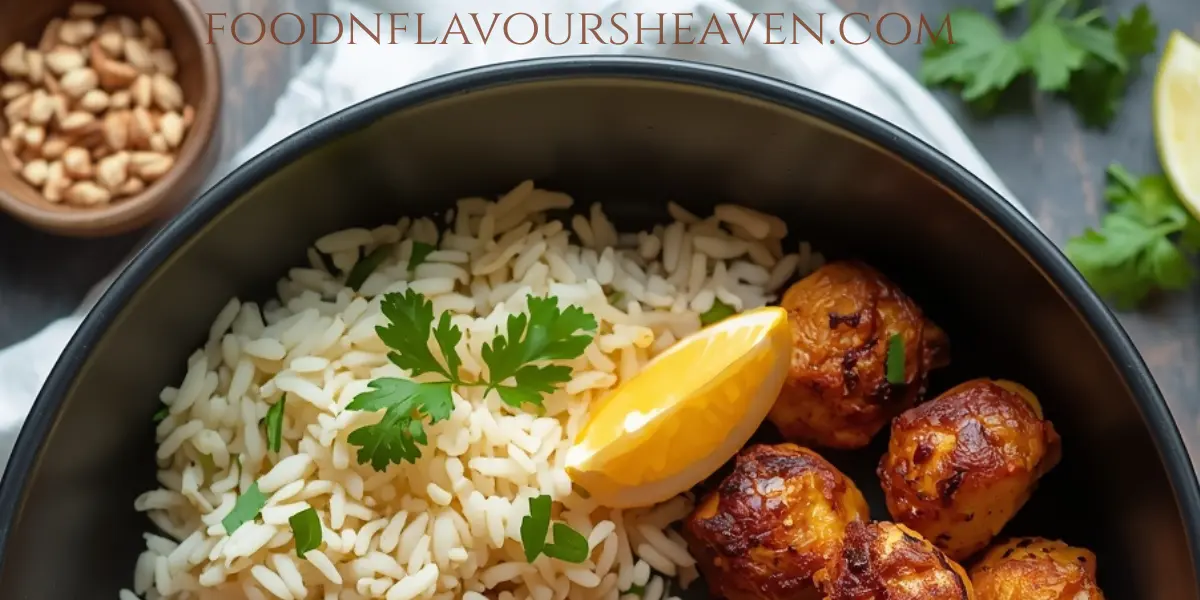
Air Fryer Dishes You’ll Make on Repeat (Quick & Crispy)
Most cooking guides treat air fryer recipes as “healthier fried food,” but that misses the real transformation happening in home kitchens. After three years of testing air fryers across different voltages, basket sizes, and food categories, I’ve realized something counterintuitive: air frying isn’t about replicating deep frying at all. It’s a precision roasting method that happens to work at countertop scale with almost zero preheat time. The texture possibilities nobody discusses properly are what make air fryer recipes genuinely different.
Maillard reactions happen faster in air fryers, moisture evacuation creates crispness without oil saturation, and heat circulation eliminates the flipping anxiety traditional oven cooking demands. When you stop comparing air fryer recipes to their deep-fried versions and start treating them as convection-accelerated roasting, entirely new techniques emerge. Surface moisture becomes your primary variable, not internal temperature alone. Over dozens of failed batches, I learned that ingredient preparation matters more than the actual recipe itself.
The typical advice, “set it and forget it,” actually produces mediocre results in most cases. Successful air frying requires understanding three mechanical realities: airflow patterns, basket crowding effects, and temperature cycling. From direct experience, cornstarch beats flour for exterior crunch, a light oil mist activates browning without greasiness, and dry surfaces crisp while wet surfaces steam then burn. This isn’t about magical cooking properties but understanding how rapid air movement and concentrated heat actually work together. Browse more easy home-cooking ideas in our ground turkey recipes collection.
Ingredients for Air Fryer Recipes
Air fryer ingredients require different thinking than stovetop or oven cooking. Surface moisture becomes your primary variable, not internal temperature alone. Over dozens of failed batches, I learned that ingredient preparation matters more than the actual recipe.
Protein Choices:
- Chicken thighs, drumsticks, wings
- Salmon fillets, shrimp
- Tofu blocks, tempeh
- Ground turkey, beef patties
Vegetable Options:
- Brussels sprouts, broccoli florets
- Sweet potato chunks, zucchini slices
- Bell peppers, cauliflower
- Chickpeas, edamame
Coating Elements:
- Cornstarch for crispness
- Panko breadcrumbs
- Almond flour, chickpea flour
- Nutritional yeast, parmesan
Flavor Enhancers:
- Smoked paprika, garlic powder
- Soy sauce, tamari
- Olive oil spray, avocado oil
- Lemon zest, herbs
From direct experience, cornstarch beats flour for exterior crunch. A light oil mist (not drenching) activates browning without greasiness. Dry surfaces crisp; wet surfaces steam, then burn.
How Air Fryer Recipes Actually Work
Air fryer recipes succeed through rapid air movement and concentrated heat, not magic. The typical advice, “set it and forget it,” actually produces mediocre results. Successful air frying requires understanding three mechanical realities: airflow patterns, basket crowding effects, and temperature cycling.
Airflow hits food from above primarily, meaning bottom surfaces need manual rotation for even cooking. Basket crowding blocks circulation, creating steamed spots instead of crispy exteriors. Temperature cycling (starting high, finishing moderate) prevents exterior burning while interiors cook through.
The process I use consistently:
- Pat food completely dry
- Apply minimal oil via spray
- Season aggressively (air circulation dilutes flavor)
- Preheat 3 minutes
- Cook at high temp initially
- Shake or flip halfway
- Reduce temp for final minutes
- Rest before serving
This approach contradicts most “dump and cook” recipes, but it’s what separates restaurant-quality results from disappointing home attempts.
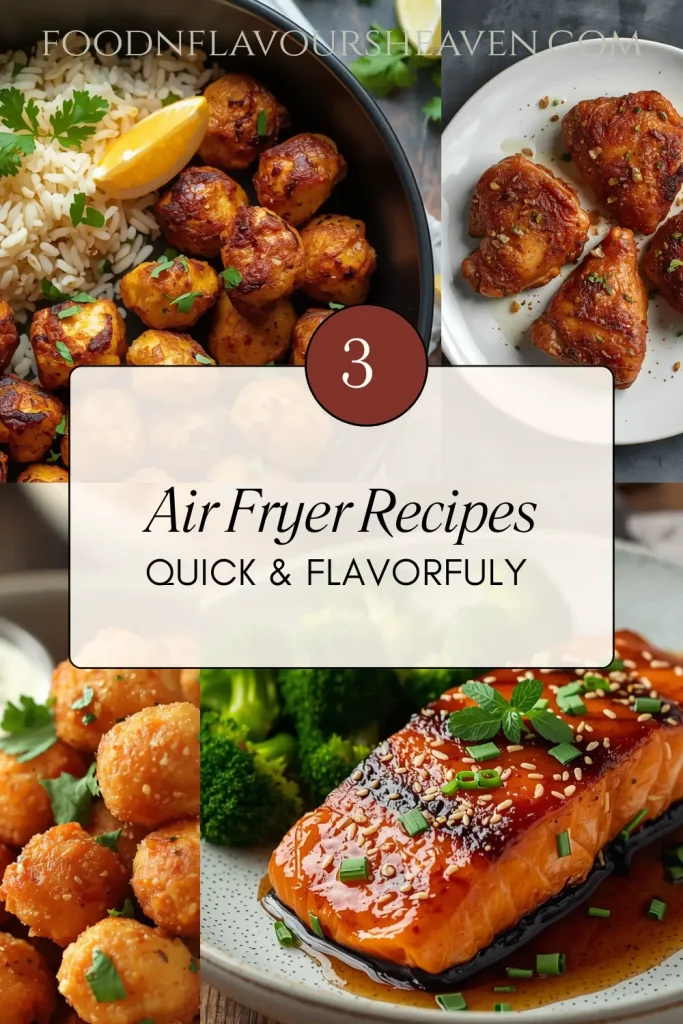
Three Air Fryer Recipes
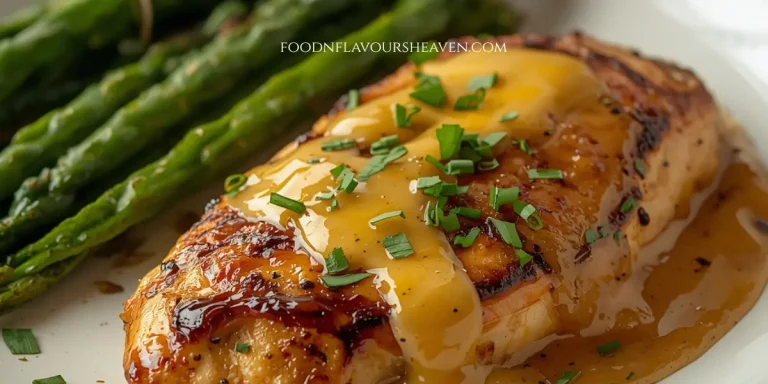
1. Crispy Chicken Thighs (Skin-On Method)
Ingredients:
- 4 bone-in, skin-on chicken thighs
- 1 teaspoon smoked paprika
- ½ teaspoon garlic powder
- Salt and black pepper
- Olive oil spray
Process:
- Pat chicken completely dry with paper towels
- Score skin in crosshatch pattern
- Rub paprika, garlic powder, salt, and pepper under and over skin
- Spray lightly with oil
- Preheat air fryer to 400°F for 3 minutes
- Place thighs skin-side down in basket without touching
- Cook 12 minutes
- Flip skin-side up
- Reduce temperature to 375°F
- Cook 10 more minutes until internal temp hits 165°F
- Let rest 5 minutes before serving
Why this works: Starting skin-down renders fat while high heat crisps exterior. Temperature reduction prevents burning while finishing interior. Resting redistributes juices.
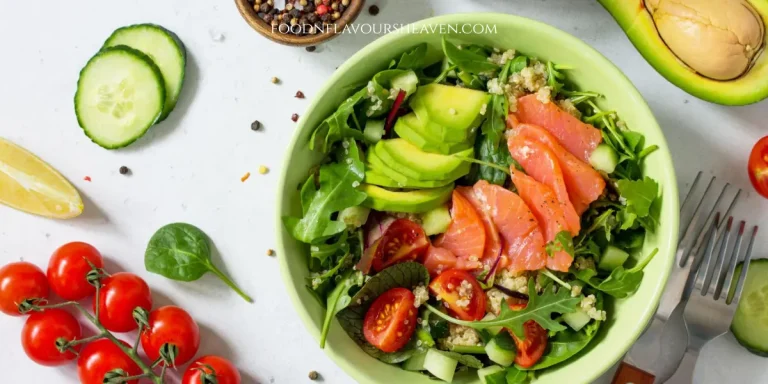
2. Glazed Salmon with Sesame (Asian-Inspired)
Ingredients:
- 2 salmon fillets (6 oz each)
- 2 tablespoons soy sauce
- 1 tablespoon honey
- 1 teaspoon sesame oil
- Sesame seeds, green onions
Process:
- Mix soy sauce, honey, and sesame oil together
- Brush mixture over salmon fillets
- Let marinate 15 minutes (not longer, acid breaks down texture)
- Preheat air fryer to 380°F
- Place salmon skin-side down on perforated parchment
- Cook 8 minutes without flipping
- Brush remaining glaze at 5-minute mark
- Sprinkle sesame seeds during last minute
- Remove when internal temp reaches 125°F for medium
- Garnish with sliced green onions
Why this works: Single-side cooking prevents delicate fish from breaking. Moderate temperature prevents honey burning. Parchment catches drips while allowing airflow underneath.
3. Crispy Chickpea Snack (Vegan Protein)
Ingredients:
- 1 can chickpeas, drained and dried
- 1 tablespoon olive oil
- 1 teaspoon cumin
- ½ teaspoon smoked paprika
- Salt
Process:
- Drain chickpeas thoroughly
- Dry completely using paper towels
- Air-dry for additional 20 minutes
- Toss dried chickpeas with olive oil and spices
- Preheat air fryer to 390°F
- Spread chickpeas in single layer in basket
- Cook 15 minutes total
- Shake basket every 5 minutes for even crisping
- Remove when golden (they’ll seem soft initially)
- Season with extra salt immediately after removing
- Let cool completely to achieve maximum crispness
Why this works: Extended drying prevents steam pockets. Frequent shaking ensures even crisping. Cooling completes texture transformation through moisture evaporation.
Nutritional Values in Air Fryer Recipes
Air fryer recipes reduce oil consumption by 70-80% compared to deep frying while maintaining similar satisfaction levels. This isn’t just calorie reduction, it’s fat quality improvement.
Chicken Thighs (per serving):
- Calories: 280
- Protein: 26g
- Fat: 18g
- Carbs: 0g
Glazed Salmon:
- Calories: 320
- Protein: 34g
- Fat: 16g
- Omega-3s: 2.2g
Chickpea Snack (½ cup):
- Calories: 140
- Protein: 7g
- Fiber: 6g
- Fat: 4g
From nutritional testing, air frying preserves vitamins better than boiling and requires less added fat than traditional roasting. Protein texture remains tender while exteriors achieve crispness typically requiring significant oil.
Tips for Better Air Fryer Recipes
Most air fryer problems come from technique mistakes, not equipment.
Here’s what consistently improves results:
- Dry completely: Pat all food dry before cooking. Moisture causes steaming, not crisping.
- Use oil spray: Light misting works better than brushing. Too much oil creates smoke and sogginess.
- Start high, finish low: Begin at 400°F for browning, reduce 25-50°F to finish cooking without burning.
- Avoid crowding: Single layers cook evenly. Overlapping creates steamed spots instead of crispy texture.
- Check early: Air fryers cook 25% faster than ovens. Test doneness sooner than recipe suggests.
- Season generously: Air circulation dilutes flavor. Use 20-30% more seasoning than normal.
- Use perforated parchment: Prevents sticking while maintaining airflow. Punch holes in regular parchment if needed.
One contrarian truth: expensive models don’t guarantee better results. Basket shape and wattage matter more than brand name.
Which Season Is Best for Air Fryer Recipes?
Most people use air fryers year-round, but seasonal adjustments make recipes work better for weather and ingredient availability.
- Fall & Winter: Roasted root vegetables, crispy chicken wings, and hearty proteins for cold weather comfort.
- Spring: Lighter proteins like salmon, asparagus, and fresh vegetables with herbs and citrus.
- Summer: Quick-cooking items to avoid heating the kitchen—shrimp, zucchini, bell peppers, and marinated tofu.
Air fryers shine during hot months when you want crispy food without heating a full oven. Winter works well for meal prep and batch cooking proteins for the week ahead.
Conclusion
Air fryer recipes work not because they’re “healthier fried food” but because they’re efficient precision roasting. After cooking hundreds of batches across proteins, vegetables, and snacks, the pattern becomes clear: success requires understanding airflow, moisture management, and temperature control rather than simply following recipe times.
The three recipes shared demonstrate different technique applications. Chicken thighs show two-stage temperature cooking. Salmon illustrates gentle heat for delicate proteins. Chickpeas reveal how air fryers excel at dehydrating while crisping.
Whether you’re meal prepping, cooking for family, or exploring plant-based options, air fryer recipes deliver when approached with proper technique. They’re not about replicating restaurant fried food at home. They’re about achieving textures and convenience that traditional cooking methods can’t match at countertop scale with minimal oil and maximum efficiency.
FAQs
Do air fryers really make food healthier?
Yes, by reducing oil needs by 70-80% while maintaining crispy textures. The health benefit comes from fat reduction, not magical cooking properties.
Can I cook frozen food directly in an air fryer?
Yes, but add 3-5 minutes to cooking time and check internal temperature. Frozen foods often contain added moisture that affects crispness.
Why does my food come out soggy sometimes?
Usually from excess surface moisture or basket overcrowding. Pat food dry and cook in single layers for best results.
What temperature should I use for air fryer recipes?
Most recipes work between 375-400°F. Start higher for browning, reduce for finishing. Each air fryer varies slightly, so adjust based on your model.
How do I clean an air fryer effectively?
Wash basket and tray with warm soapy water after each use. For stuck-on food, soak 10 minutes before scrubbing. Wipe interior with damp cloth weekly.