Vegan Recipes That’ll Make Everyone Ask for Seconds
Most people approach vegan recipes thinking they need rare superfoods, complicated meat substitutes, or professional kitchen training to make anything worthwhile. After experimenting across different households, budgets, and cooking setups, I discovered something completely different: exceptional vegan recipes come down to understanding four core elements: bold seasoning, smart protein selection, texture contrast, and sauce balance. When these elements align correctly, you don’t need any special training to create plant-based meals that genuinely satisfy everyone at home.
Vegan recipes endure across cultures, health-conscious lifestyles, and cooking skill levels because plant-based ingredients serve as remarkably flexible territory. They accept bold spicing, creamy sauces, crunchy toppings, and acidic brightness equally well. That versatility explains why these dishes work for weeknight dinners, special gatherings, meal preparation, and creative kitchen exploration simultaneously.
Instead of jumping straight into ingredients, let’s start with the goal: perfect vegan recipes feel deeply satisfying yet surprisingly light, completely filling yet boldly fresh, familiar yet genuinely exciting. Now let’s work backward through ingredients, techniques, three distinct recipes, nutrition facts, and practical wisdom gained from years of real plant-based cooking experience. Discover 3 incredible vegan recipes made with bold flavors and simple ingredients. In addition if you Looking for the perfect side dish? This rice pilaf recipe pairs beautifully with almost any meal.
Ingredients for Vegan Recipes
Core Foundation:
- Plant proteins (chickpeas, black beans, lentils, firm tofu, tempeh)
- Grains and starches (basmati rice, brown rice, corn tortillas, quinoa)
- Aromatics (onions, garlic, fresh ginger, shallots)
- Cooking liquids (vegetable broth, coconut milk, tomato base)
- Fats (olive oil, coconut oil, sesame oil)
Flavor Architects:
- Spice blends (cumin, turmeric, smoked paprika, garam masala, chili powder)
- Fresh herbs (cilantro, basil, parsley, mint, green onions
- Acid components (lime juice, lemon juice, rice vinegar, tamarind paste)
- Umami boosters (soy sauce, nutritional yeast, tomato paste, dried mushrooms)
- Vegetables (broccoli, bell peppers, snap peas, red cabbage, avocado)
Luxury Additions:
- Tahini, cashew cream
- Toasted sesame seeds, sliced almonds, crushed pistachios
- Premium vegetable broth, coconut cream
- Specialty chili flakes
From personal experience, quality vegetable broth matters significantly more than expensive spices. Fresh aromatics outperform dried versions every single time. Combining contrasting flavor profiles thoughtfully creates sophistication that single-cuisine cooking rarely achieves consistently.
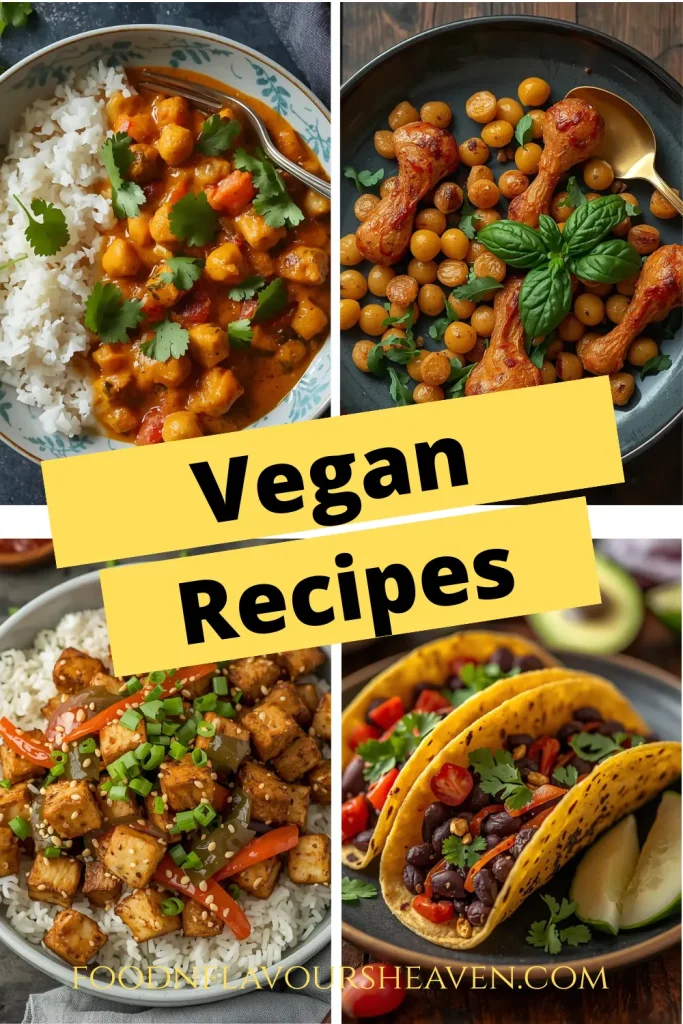
1. Creamy Coconut Chickpea Curry (Rich Version)
Ingredients:
- 2 cans (800g) chickpeas, drained and rinsed
- 1 can (400ml) full-fat coconut milk
- 1 can (400g) crushed tomatoes
- 1 large yellow onion, finely diced
- 4 garlic cloves, minced
- 1 tablespoon fresh ginger, grated
- 2 tablespoons olive oil
- 1 teaspoon ground cumin
- 1 teaspoon ground turmeric
- 1 tablespoon garam masala
- ½ teaspoon red chili flakes
- Fresh cilantro and lime wedges
- (implied: salt, basmati rice for serving)
Process:
- Heat olive oil in a heavy pot over medium heat
- Add diced onion, cook 5 minutes until golden and soft
- Stir in garlic and ginger, cook 1 minute until fragrant
- Add cumin, turmeric, garam masala, and chili flakes, stir 30 seconds
- Pour in crushed tomatoes, cook 4 minutes until breaking down
- Add chickpeas and coconut milk, mix evenly
- Bring to gentle simmer, reduce heat to low
- Cook uncovered 22 minutes until sauce thickens beautifully
- Adjust seasoning with salt and lime juice
- Serve over basmati rice, garnish with cilantro and lime wedges
Why this works: Coconut milk delivers thick creaminess without heaviness that dairy versions often bring. Garam masala builds layered warmth while crushed tomatoes add acidity keeping everything bright. Chickpeas absorb surrounding flavors magnificently while maintaining satisfying texture throughout.
2. Crispy Sesame Tofu Stir Fry (Bold Version)
Ingredients:
- 1 block (400g) extra-firm tofu, pressed and cubed
- 2 cups cooked brown rice
- 1 cup fresh broccoli florets
- 1 large red bell pepper, sliced
- 1 cup snap peas, trimmed
- 3 tablespoons soy sauce
- 2 tablespoons sesame oil
- 1 tablespoon rice vinegar
- 2 tablespoons cornstarch
- 2 garlic cloves, minced
- 1 teaspoon fresh ginger, grated
- Sesame seeds and sliced green onions
Process:
- Press tofu under heavy weight for at least 30 minutes
- Cut pressed tofu into even cubes, toss in cornstarch thoroughly
- Heat sesame oil in large skillet over medium-high heat
- Cook tofu 8-10 minutes, turning carefully until golden and crispy on every side
- Remove tofu, set aside on plate
- Add broccoli, bell pepper, and snap peas to same pan
- Cook vegetables 3-4 minutes on high heat maintaining crunch
- Whisk together soy sauce, rice vinegar, garlic, and ginger
- Pour sauce over vegetables, toss quickly and evenly
- Return crispy tofu to pan, combine gently
- Serve immediately over brown rice, top with sesame seeds and green onions
Why this works: Cornstarch coating creates irreversible crispiness that survives sauce tossing beautifully. Sesame oil delivers nutty depth while rice vinegar cuts through richness preventing heaviness. High-heat vegetable cooking preserves both vibrant color and nutritional integrity throughout.
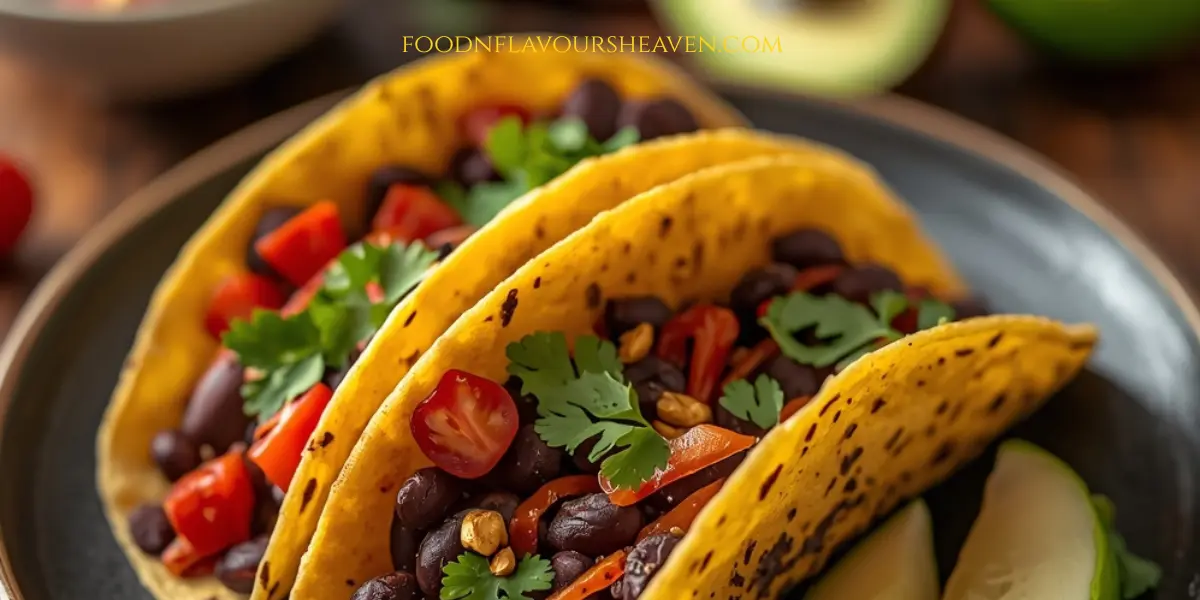
3. Smoky Black Bean Tacos (Fresh Version)
Ingredients:
- 2 cans (800g) black beans, drained and rinsed
- 8 small corn tortillas
- 1 ripe avocado, sliced
- 2 cups red cabbage, thinly shredded
- 2 tablespoons olive oil
- Juice of 1 large lime plus extra wedges
- 2 teaspoons smoked paprika
- 1 teaspoon ground cumin
- 1 teaspoon garlic powder
- ½ teaspoon onion powder
- Fresh cilantro leaves
- Hot sauce to taste
Process:
- Drain black beans and rinse under cold water
- Heat olive oil in skillet over medium heat
- Add beans with smoked paprika, cumin, garlic powder, and onion powder
- Mash beans roughly with fork, keeping chunks throughout
- Cook 4-5 minutes stirring occasionally until heated and fragrant
- Season with salt and squeeze in half the lime juice
- Warm tortillas directly over gas flame or dry skillet
- Spread seasoned beans across each tortilla
- Top with avocado, shredded red cabbage, and fresh cilantro
- Finish with remaining lime juice and hot sauce to taste
Why this works: Smoked paprika delivers deep smoky flavor without any actual smoking process required. Rough mashing creates texture variation that keeps each bite interesting rather than uniform. Red cabbage adds satisfying crunch and natural sweetness that balances smokiness beautifully throughout.
Nutritional Values and Servings
Creamy Coconut Chickpea Curry (Per Serving):
- Calories: 370
- Protein: 15g
- Carbohydrates: 46g
- Fat: 14g
- Fiber: 8g
- Serves 4 generously
Crispy Sesame Tofu Stir Fry (Per Serving):
- Calories: 410
- Protein: 21g
- Carbohydrates: 44g
- Fat: 15g
- Fiber: 5g
- Serves 2-3
Smoky Black Bean Tacos (Per Serving):
- Calories: 320
- Protein: 13g
- Carbohydrates: 43g
- Fat: 10g
- Fiber: 11g
- Serves 3-4
Adding toasted nuts and seeds increases healthy fat content significantly while boosting protein naturally. Chickpeas and black beans contain exceptional iron and dietary fiber supporting digestive health wonderfully. These vegan recipes work excellently for sustained energy, muscle recovery, and complete balanced plant-based nutrition.
Tips for Making Vegan Recipes Better
- Removing moisture completely is the single most important step before cooking tofu. At least 30 minutes under weight makes the difference between crispy success and soggy disappointment.
- Adding ground spices directly to oil before any liquid hits the pan unlocks flavor compounds that stay locked otherwise. Thirty seconds of stirring transforms the entire dish.
- Cook aromatics first, bloom spices in fat second, add protein third, pour liquids last. Sequential building creates complexity that dumping everything together simply cannot match.
- Soft fillings need something crunchy on top. Every successful vegan recipe intentionally combines at least two contrasting textures working together throughout.
- A squeeze of lime or lemon in the final minute brightens the entire plate dramatically. This adjustment fixes most vegan dishes that taste somehow incomplete.
- High heat combined with short cooking time preserves both nutrition and genuine crunch. Overcooked vegetables make even well-seasoned dishes feel disappointing fast.
- This forms your flavor foundation completely. Homemade or premium store-bought makes noticeable difference. Plain water creates bland results regardless.
- Vegan recipes actually tolerate mistakes better than many other cooking styles. Multiple bold flavor profiles provide natural correction opportunities. If something tastes slightly off, contrasting elements can rebalance it effectively.
Conclusion
In conclusion, vegan recipes work not because plant-based eating is trendy, but because they represent genuinely honest cooking. They acknowledge that food evolves, cultures interact beautifully, and home kitchens benefit enormously from creative experimentation. They transform familiar ingredients into exciting meals satisfying both adventurous eaters and comfort-seekers simultaneously. Over years of experimenting across different flavor combinations, cooking methods, and cultural intersections, I learned that successful vegan cooking isn’t random, it’s intentional. Intentional seasoning decisions, texture planning, heat management, and thoughtful presentation.
Whether you prefer creamy coconut chickpea richness, crispy sesame tofu boldness, or smoky black bean freshness, the foundation remains remarkably consistent: proper protein handling, strategic flavor layering, careful heat control, and genuine respect for plant-based ingredients. When you understand those principles, vegan recipes become less about following instructions and more about confident creativity that something you can modify, personalize, and master through consistent practice in your own kitchen.
FAQs
Can I swap chickpeas for other legumes in vegan recipes?
Yes, absolutely. White beans, cannellini beans, and green lentils work as strong replacements. Adjust cooking time slightly depending on which legume you choose.
Why do homemade vegan recipes sometimes taste flat?
Under-seasoning or cooking with plain water instead of broth causes this most often. Toast spices properly before adding liquid and season in layers from the very beginning.
Can vegan recipes be cooked ahead of time?
Absolutely. Cool completely, refrigerate up to 4 days. Reheat gently with small liquid addition. Flavors often improve after 24 hours as everything melds together.
What plant protein works best across different vegan dishes?
Chickpeas handle curry-style cooking magnificently while holding shape under heat. Tofu provides versatility when pressed properly. Black beans deliver earthiness and exceptional fiber content.
How do I stop tofu from turning soggy every time?
Press thoroughly for minimum 30 minutes, coat completely in cornstarch, and cook in oil over medium-high heat without moving. Patience during frying creates irreversible crispiness that nothing else can replicate.