Delicious Korean Street Food Platter with Tteokbokki and Sausages
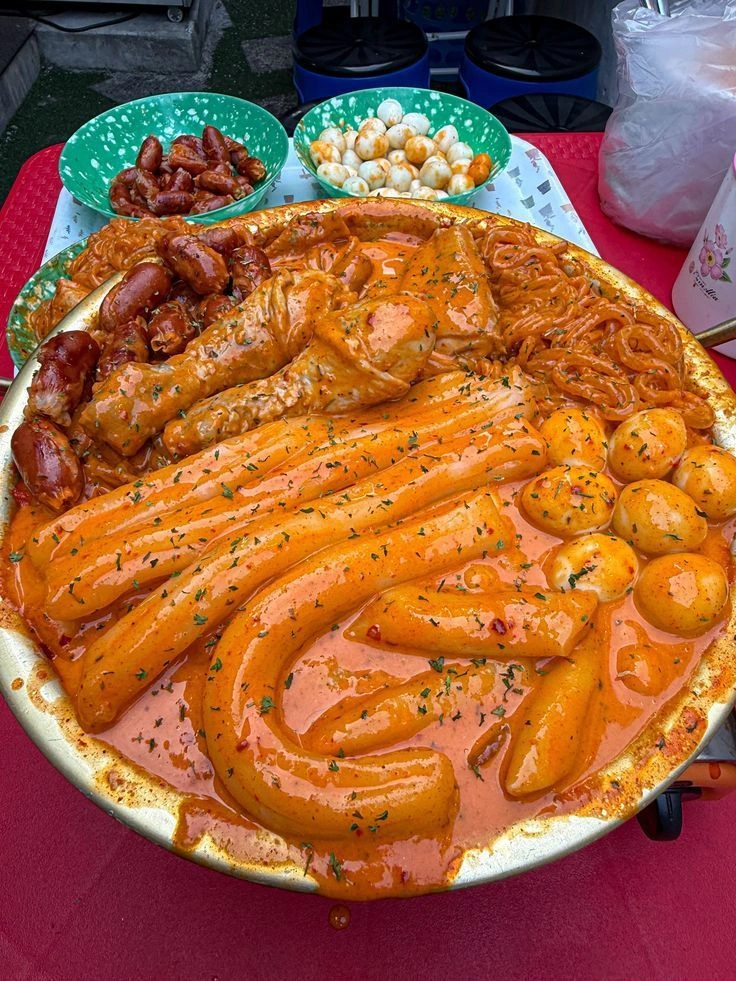
The first thing most people notice about a Korean Street Food Platter is not the color or the steam. It is the feeling that comes before the first bite. The glossy red sauce, the chewy rice cakes, the smoky sausages, and the soft boiled eggs create a dish that feels both playful and deeply comforting. Many people think Korean street food is only about spice, but that idea misses the real charm. What makes this platter memorable is balance.
During my first visit to a Korean-style night market, I realized that every tray told a story. Some dishes focused on heat, others on sweetness, while some carried the familiar warmth of home cooking. A well-made Korean platter brings several textures and flavors together in one place. It is casual food, but it often feels carefully designed.
This guide explores how to create a rich and satisfying Korean Street Food Platter at home while understanding why it has become such a global food trend.
Recipe Title
Creamy Korean Street Food Platter with Tteokbokki, Sausages, Eggs, and Noodles
Recipe Info
- Cuisine: Korean-inspired
- Prep Time: 20 minutes
- Cook Time: 25 minutes
- Total Time: 45 minutes
- Servings: 4 people
- Difficulty: Easy to Moderate
- Best For: Dinner, parties, social gatherings, food content
This platter combines popular Korean street food platter elements like tteokbokki, ramen noodles, sausages, and eggs in one bold serving dish.
Ingredients
To make this flavorful Korean street food platter, gather these ingredients:
Main Ingredients
- 400g Korean rice cakes
- 6 smoked sausages
- 2 packs instant ramen noodles
- 12 quail eggs or 4 regular eggs
- 2 fish cakes sliced
- 2 cups cabbage chopped
- 2 green onions sliced
Sauce Ingredients
- 2 tablespoons Korean chili paste (gochujang)
- 1 tablespoon Korean chili flakes
- 1 tablespoon soy sauce
- 1 tablespoon sugar
- 1 tablespoon honey
- 1 cup heavy cream
- 2 cups broth
- 2 cloves garlic minced
- 1 teaspoon sesame oil
Garnish
- Sesame seeds
- Parsley flakes
- Mozzarella cheese optional
Instructions
The final Korean street food platter looks dramatic, but the process is surprisingly simple.
Step 1: Prepare the Rice Cakes
Soak the rice cakes in warm water for 10 minutes if they are firm. This helps them cook evenly.
Step 2: Make the Sauce
In a large pan, combine:
- gochujang
- chili flakes
- soy sauce
- sugar
- honey
- garlic
- broth
Let it simmer for 3 minutes until the aroma becomes deeper.
Step 3: Add Main Ingredients
Place:
- rice cakes
- sausages
- fish cakes
- cabbage
Cook for 8 minutes over medium heat.
Step 4: Add Cream
Pour in the heavy cream and stir gently. The sauce turns from bright red into a rich orange shade that gives the spicy korean platter its signature look.
Step 5: Cook Noodles
Boil ramen separately until soft, then add them into the pan.
Step 6: Add Eggs
Add boiled eggs and simmer for 3 more minutes.
Step 7: Serve
Transfer everything to a large serving plate and garnish with sesame seeds and herbs.
Tips & Notes
A good Korean Street Food Platter depends on texture more than many people realize.
- Do not overcook rice cakes or they become too soft.
- Use smoked sausages for deeper flavor.
- Add cream slowly to avoid splitting.
- Mild spice lovers can reduce chili flakes.
- Cheese creates a richer modern street-food version.
One trick I learned from Korean food vendors is to let the sauce rest for 2 minutes before serving. It thickens naturally and coats every ingredient better.
Nutrition Information
Approximate per serving:
- Calories: 520
- Protein: 18g
- Carbohydrates: 48g
- Fat: 28g
- Fiber: 3g
- Sodium: 980mg
The dish is indulgent, but portion control can make it part of a balanced meal.
Variations
The beauty of this platter is flexibility.
Seafood Version
Replace sausage with:
- shrimp
- squid
- mussels
Vegetarian Version
Use:
- mushrooms
- tofu
- plant-based sausage
Extra Spicy Version
Add:
- fresh chili
- extra gochujang
- spicy Korean pepper oil
Many modern Korean cafes now create fusion versions inspired by both traditional and international tastes.
Serving Suggestions of the spicy korean platter
Serve your Korean street food platter with:
- Pickled radish
- Kimchi
- Korean fried chicken
- Chilled sparkling drinks
For a full Korean-inspired table, pair it with Kimchi or a bowl of warm miso soup.
Large platters work especially well for:
- family meals
- social media food styling
- game nights
- party tables
User Interaction
One interesting thing about this dish is how interactive it feels. People rarely eat it silently.
Guests usually:
- ask what each ingredient is
- adjust spice levels
- mix sauce differently
- share favorite bites
That social element is one reason Korean street food has grown so quickly online.
Share Options
Food content performs well visually, especially on:
- TikTok
- YouTube Shorts
Best sharing ideas:
- close-up sauce shots
- steam rising
- cheese pull
- chopstick lifts
Related Recipes
If you enjoy this dish, you may also like:
- Rabokki
- Healthy Summer Appetizers
These dishes share similar flavor profiles and pair well together.
Conclusion
A Korean street food platter is more than a spicy Korean platter; it’s a trendy dish. It is a combination of comfort, texture, and shared experience. While many people focus only on the bold red sauce, the real appeal comes from how each ingredient supports the others. The chewy rice cakes, creamy broth, smoky sausages, and soft eggs create a dish that feels exciting without being complicated.
FAQS
What is a Korean Street Food Platter?
It is a mixed serving tray that combines popular Korean snacks like rice cakes, sausages, noodles, and eggs in spicy sauce.
Is Korean street food always spicy?
No. Some dishes are sweet, savory, or creamy with only mild heat
Can I make it without gochujang?
Yes, but authentic flavor changes. Gochujang gives the dish its signature taste.
Can I prepare it in advance?
You can prepare the sauce early, but cook the rice cakes fresh for best texture.