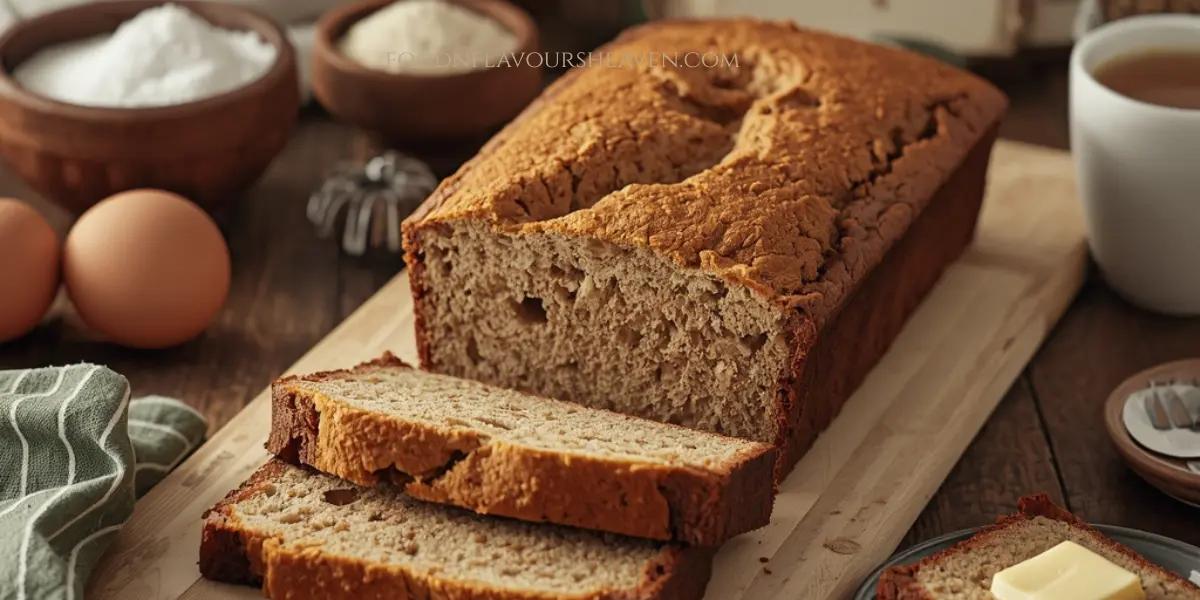
Banana Bread Recipes: Easy Moist, and Delicious Homemade Loaf Guide
Most people bake banana bread when bananas turn brown. That habit hides a bigger truth: banana bread recipes are less about leftovers and more about control texture control, flavor balance, and timing psychology. After years of testing ovens, batter density, moisture retention, and crumb structure, one thing becomes clear: banana bread is not a beginner recipe. It is a forgiving one.
Historically, banana bread gained popularity during economic scarcity, yet today it thrives because it aligns with comfort eating, home baking therapy, and practical nutrition. The aroma signals warmth, while the loaf structure reflects patience. This guide approaches banana bread recipes not as a trend, but as a repeatable system anyone can master with intention. like you can also visit to my site foodnflavoursheaven.com for more recipes.
How to Make Banana Bread Recipes
Start by understanding the end result before mixing anything. Good banana bread has a soft center, stable edges, and a balanced sweetness that does not overpower the banana itself. Many bakers fail because they rush the mash or overwork the flour.
The process begins with ripe bananas soft, speckled, aromatic. Mash them until mostly smooth but leave small chunks for texture variation. Wet ingredients should blend completely before dry ingredients are introduced. This separation reduces gluten development, keeping the crumb tender.
Oven temperature matters more than mixing speed. Banana bread prefers steady heat, not aggressive baking. The loaf should rise slowly, forming a gentle dome instead of cracking violently. Cooling time is part of the recipe—cutting early collapses structure.
Ingredients for Making Banana Bread Recipes
Every banana bread recipe shares a core ingredient cluster, but quality choices shift results dramatically.
Core Ingredients include ripe bananas for natural sugars and moisture, all-purpose flour for structure, eggs for binding and lift, sugar for sweetness and browning, fat such as butter or oil for softness, baking soda for leavening, and salt for flavor balance.
Optional Enhancers include cinnamon or nutmeg, vanilla extract, yogurt or sour cream, nuts or chocolate chips, and honey or brown sugar.
Ingredient psychology matters. Bananas add sweetness but also acidity, which activates baking soda. Fat choice affects shelf life. Butter offers flavor, while oil preserves moisture longer.
3 Different Banana Bread Recipes and Their Total Process
1. Classic Moist Banana Bread
This version focuses on balance and familiarity. Process Overview begins by mashing bananas with sugar until glossy, whisking eggs and melted butter, folding flour, baking soda, and salt gently, pouring into a loaf pan, and baking at 350°F or 175°C for 55 to 60 minutes.
Why It Works
This recipe uses controlled sweetness and moderate fat, producing a loaf that slices cleanly and stays soft for two days.
2. Healthy Whole Wheat Banana Bread
Contrary to belief, healthy banana bread doesn’t mean dry bread. Process Overview includes combining mashed bananas with honey, adding eggs and olive oil, mixing whole wheat flour, baking soda, and cinnamon, then baking at 325°F or 165°C for 60 minutes.
Why It Works
Lower heat preserves moisture. Whole wheat flour absorbs liquid slowly, so resting the batter for 10 minutes improves texture.
3. Chocolate Chip Banana Bread
This recipe leans into indulgence without losing structure.
Process Overview starts with creaming bananas with brown sugar, adding eggs and vanilla, folding flour and baking soda, adding chocolate chips last, and baking at 350°F or 175°C for 50 to 55 minutes.
Why It Works
Brown sugar enhances caramel notes while chocolate chips melt into pockets, creating contrast in each bite.
Tools Required for Making Banana Bread Recipes
Minimal tools, when used intentionally, outperform complex equipment. Essential tools include mixing bowls for wet and dry separation, a fork or potato masher, a whisk or silicone spatula, a loaf pan with metal preferred, an oven thermometer, and a cooling rack.
Avoid stand mixers. Over-mixing is the silent enemy of banana bread recipes. Hand mixing keeps the crumb soft and controlled.
Tips to Make It Better
Most improvements come from restraint, not additions.
Use bananas at peak ripeness—not black, not yellow. Measure flour by spooning, not scooping. Let batter rest for 5 to 10 minutes. Rotate the pan halfway through baking. Cool completely before slicing.
A contrarian insight: banana bread tastes better the next day. Flavor compounds settle overnight, improving sweetness perception and crumb firmness.
Which Other Recipes Would Go Better With This
Banana bread pairs best with recipes that contrast texture or temperature. Complementary options include Greek yogurt with honey, fresh fruit salad, scrambled eggs or omelet, nut butter spreads, and herbal tea or black coffee.
In brunch settings, banana bread acts as a grounding item—soft, sweet, and familiar—allowing other dishes to shine without competition.
Frequently Asked Questions
Can I freeze banana bread?
Yes. Wrap tightly and freeze up to three months. Thaw at room temperature for best texture.
Why is my banana bread dense?
Over-mixing flour or using underripe bananas are the most common causes.
Can I reduce sugar?
Yes, but reduce gradually. Bananas already contain natural sugars that affect moisture balance.
Should banana bread be refrigerated?
No. Room temperature storage maintains softness. Refrigeration dries it out faster.
Can I make banana bread without eggs?
Yes. Mashed banana, flaxseed, or yogurt can act as binders with adjusted ratios.
Conclusion
Banana bread recipes succeed not because they are easy, but because they reward awareness. Each loaf reflects decisions—ingredient choice, mixing discipline, and baking patience. Whether classic, healthy, or indulgent, banana bread remains a reliable canvas for personal taste and practical baking.
Approached thoughtfully, banana bread becomes more than a recipe. It becomes a system—predictable, adaptable, and deeply satisfying. When done right, it doesn’t just fill the kitchen with aroma; it builds confidence with every slice.