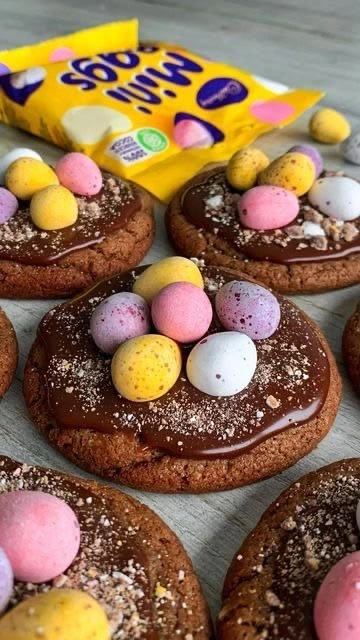
Cadbury Egg Cookies: A Smart Twist on Classic Baking
Most people think Cadbury egg cookies are just another sweet treat for Easter. That assumption is incomplete. In reality, these cookies represent a blend of seasonal baking psychology, flavor layering, and texture control a small but powerful example of how modern home baking has evolved.
Before we even discuss ingredients or recipes, understand this: the success of Cadbury egg cookies depends less on the chocolate and more on how you manage heat, dough structure, and sugar balance. That’s where most beginners fail—and where experts quietly win.
Using products like Cadbury, especially Cadbury Creme Eggs, is not just about taste—it’s about controlling melt behavior inside a cookie matrix. And please also try the Caesar salad recipe.
Let’s break this down in a practical, slightly unconventional way.
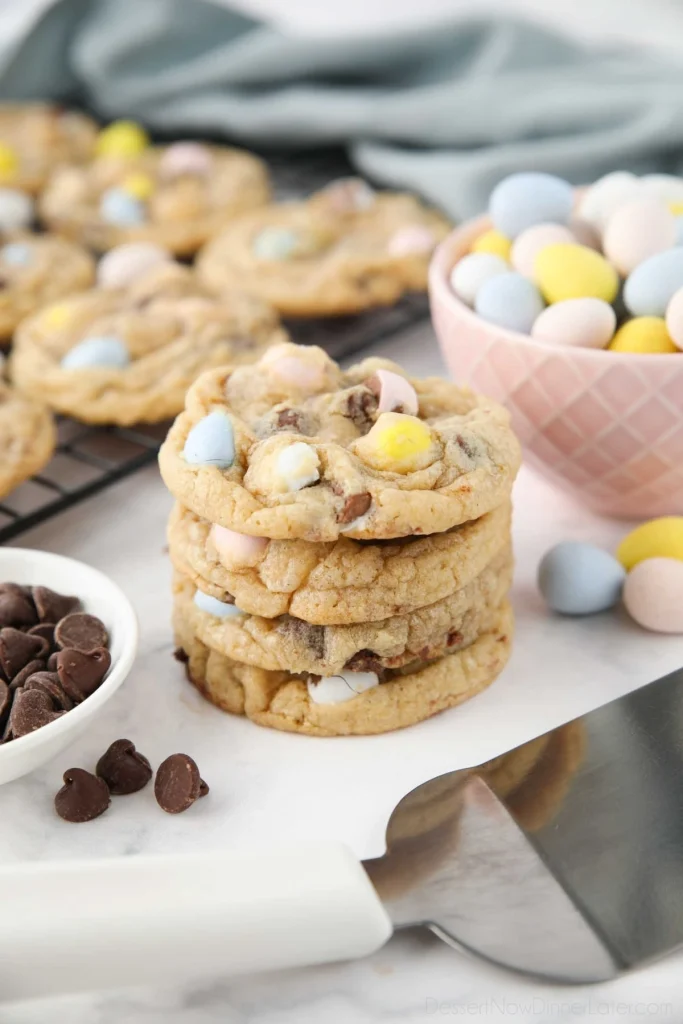
Ingredients List (Core + Functional View)
Instead of just listing items, think of ingredients as roles:
Base Structure Ingredients:
- All-purpose flour (texture foundation)
- Baking soda (spread control)
- Salt (flavor enhancer)
Moisture & Binding:
- Butter (softened, not melted)
- Brown sugar + white sugar (moisture + crisp edges)
- Eggs (binding + richness)
Flavor Drivers:
- Vanilla extract
- Chocolate chips (optional but recommended)
Hero Ingredient:
- Mini Cadbury eggs or Cadbury creme eggs
👉 Insight: Brown sugar increases chewiness, while white sugar increases spread. Balance = perfect cookie.
Three Cadbury Egg Cookies Recipes (Different Angles)
Instead of similar recipes, each version solves a different baking problem.
1. Soft & Chewy Cadbury Egg Cookies (Texture-Control Focus)
Why this method works: Higher moisture retention + controlled baking time.
Process:
- Cream butter + sugars until fluffy
- Add eggs + vanilla
- Mix dry ingredients separately, then combine
- Fold in crushed mini Cadbury eggs
- Chill dough (15–20 minutes)
- Bake at 180°C for 10–12 minutes
👉 Result: Soft center, slightly crisp edges
2. Gooey Cadbury Creme Egg Cookies (Center Explosion Method)
Contrarian idea: Don’t mix everything evenly—create zones.
Process:
- Prepare standard cookie dough
- Take a small dough ball, flatten it
- Place half of a Cadbury Creme Egg inside
- Cover with another dough layer
- Seal edges carefully
- Bake slightly under time (8–10 minutes)
👉 Result: Melted chocolate core with a gooey center
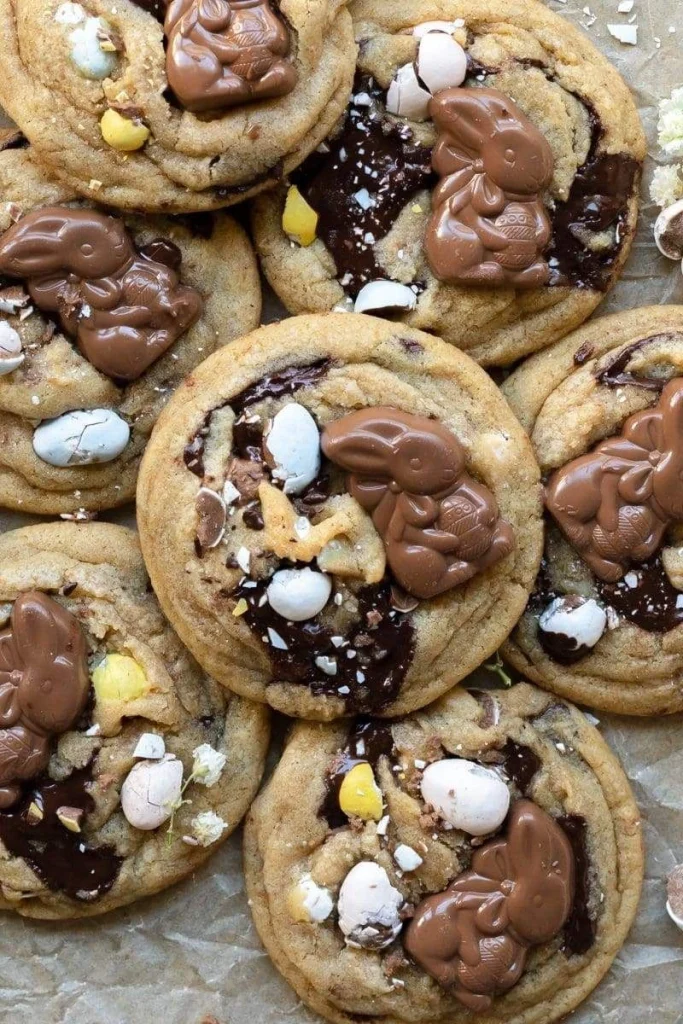
3. Quick 3-Ingredient Cadbury Egg Cookies (Efficiency Model)
Minimalist approach: Focus on speed, not complexity.
Ingredients:
- 1 cup peanut butter
- 1 egg
- ½ cup sugar
- Crushed Cadbury eggs
Process:
- Mix all ingredients
- Scoop onto tray
- Bake at 180°C for 8–10 minutes
👉 Result: Fast, dense, and flavorful cookies
Other Recipes That Pair Well
Think in terms of flavor balance and contrast:
- Vanilla milkshake (balances sweetness)
- Chocolate brownies (intensifies chocolate profile)
- Fruit salad (adds freshness)
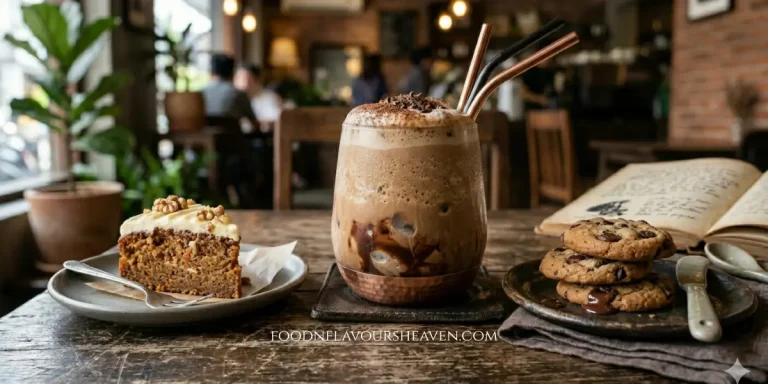
- Coffee or latte (cuts sugar heaviness)
👉 Practical combo: Serve warm cookies with cold milk → classic sensory contrast.
Step-by-Step Instructions (Unified Workflow)
Even though recipes vary, the core workflow remains consistent:
- Preheat oven properly
- Prepare dough with correct butter consistency
- Balance wet and dry ingredients
- Add Cadbury eggs strategically (not randomly)
- Shape evenly sized dough balls
- Bake with spacing between cookies
- Cool before serving
👉 Hidden tip: Overmixing = tough cookies. Mix just until combined.

Cooking Tips (From Practical Experience)
- Chill dough → prevents excessive spreading
- Use parchment paper → avoids sticking
- Don’t overbake → cookies continue cooking after removal
- Crush eggs unevenly → creates texture variation
- Use room temperature ingredients → better mixing
Common Mistake:
People think more chocolate = better cookies.
Reality: Too much filling disrupts structure.
Servings
- Standard recipe: 12–16 cookies
- Mini cookies: 20–24 pieces
- Large bakery-style: 8–10 cookies
👉 Tip: For Pinterest or social media, larger cookies perform better visually. 📌
Frequently Asked Questions
Q1: Can I use regular Cadbury chocolate instead of eggs?
Yes, but you lose the crunchy shell + creamy contrast that makes these cookies unique.
Q2: Why are my Cadbury egg cookies flat?
Possible reasons:
Butter too soft
No dough chilling
Too much sugar
Q3: Can I freeze the dough?
Yes. Freeze for up to 2 months. Bake directly from frozen (add 2 extra minutes).
Q4: How do I keep cookies soft?
Store in an airtight container with a slice of bread (moisture retention trick).
Q5: Are Cadbury egg cookies only for Easter?
No. While seasonal demand peaks during Easter, they can be made year-round using available chocolate.
Conclusion
Cadbury egg cookies are not just about combining chocolate and dough. They are a practical lesson in texture engineering, flavor contrast, and baking control. Whether you choose a soft chewy version, a gooey center approach, or a quick 3-ingredient method, the real difference comes from how you handle the process—not just the ingredients.
If you approach baking with intention—understanding why each step matters—you’ll consistently produce cookies that are not only delicious but also visually appealing, shareable, and high-performing for content platforms like Pinterest or blogs.
👉 Final insight: Great cookies are not accidental. They are engineered.
One Comment