Chicken and Rice Recipe: 3 Easy, Comforting Meals You’ll Love
Most people think chicken and rice recipes are about convenience, simplicity, and weeknight survival. After years of cooking this dish across different budgets, occasions, and cultural variations, I’ve learned something different: great chicken and rice is really about layering flavor, timing protein and grain cooking, moisture control, and aromatic depth. When those four elements work together, you don’t need complicated techniques to create something deeply satisfying.
chicken and rice recipes has persisted across cuisines, generations, and kitchen skill levels because both ingredients adapt. Rice absorbs seasoning naturally, chicken provides protein richness, and together they create complete meals without fuss. That’s why this dish works for meal prep, family dinners, budget cooking, and comfort food cravings alike.
Instead of starting with ingredients, I’ll start with the outcome: the best chicken and rice feels tender but structured, flavorful but not heavy, complete but not overwhelming. Let’s work backward from that result and explore ingredients, techniques, variations, nutrition, and preparation wisdom all through real kitchen experience. Explore more versatile cooking methods in our French Toast recipes collection for perfectly crispy results every time.
Ingredients for chicken and rice recipes
Chicken and rice ingredients look straightforward, but each one plays a functional role in moisture balance, flavor building, and texture development. Over time, I stopped treating them as pantry staples and started treating them as flavor foundations.
Core Ingredients:
- Chicken (bone-in thighs, boneless breasts, or drumsticks)
- Rice (long-grain white, basmati, jasmine, or brown rice)
- Onion and garlic
- Chicken broth or stock
- Olive oil or butter
- Salt and black pepper
Flavor Builders:
- Paprika, cumin, turmeric
- Bay leaves, thyme, rosemary
- Lemon juice or vinegar
- Tomato paste or diced tomatoes
- Bell peppers, carrots, peas
Optional Enhancements:
- Saffron, ginger, chili flakes
- Olives, capers, raisins
- Coconut milk, yogurt
- Fresh herbs (parsley, cilantro, dill)
From experience, bone-in chicken creates richer flavor, long-grain rice stays fluffy, and broth depth matters more than expensive spices. Combining aromatics properly builds foundation that elevates simple ingredients.
Explore three easy methods for cooking chicken and rice recipes.
Instead of giving three versions that feel repetitive, I’m sharing three function-based approaches: one focused on:
Mediterranean comfort,
Asian-inspired freshness,
Latin warmth.
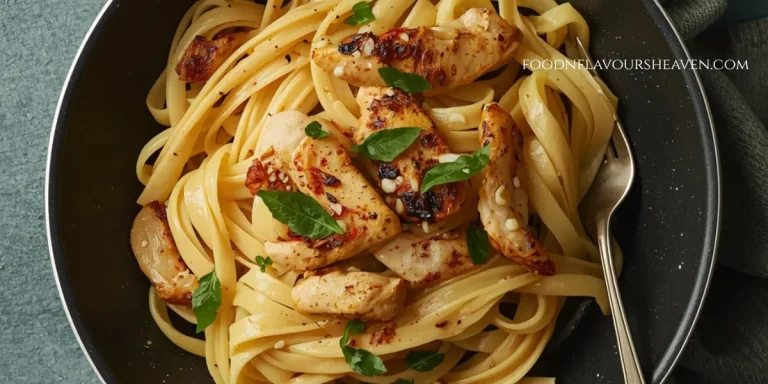
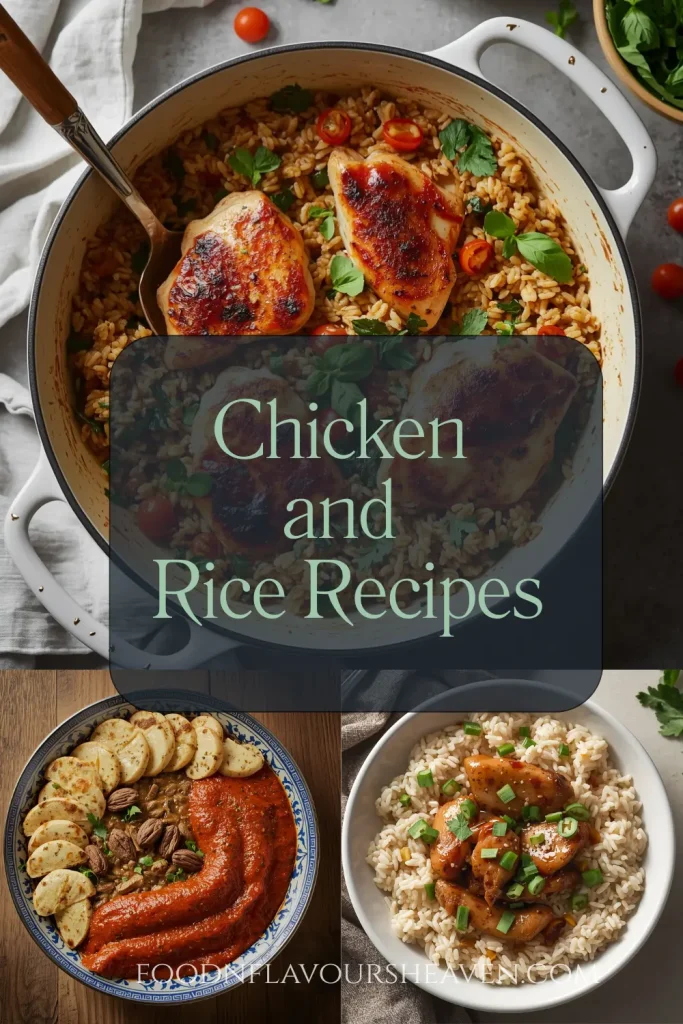
1. Classic One-Pot chicken and rice recipe (Mediterranean Style)
This version delivers the comforting, herbed texture most families crave, but without becoming bland or mushy.
Ingredients:
- 4-6 chicken thighs (bone-in, skin-on preferred)
- 1½ cups (300g) long-grain white rice
- 1 large onion, diced
- 4 garlic cloves, minced
- 3 cups (720ml) chicken broth
- 2 tablespoons olive oil
- 1 teaspoon paprika
- ½ teaspoon dried thyme
- 1 bay leaf
- Salt and black pepper
- Lemon wedges and fresh parsley for serving
Process:
- Season chicken pieces generously with salt, pepper, and paprika on both sides
- Heat olive oil in large pot or deep skillet over medium-high heat
- Sear chicken skin-side down 5-6 minutes until golden, flip and cook 3 minutes more
- Remove chicken and set aside, leaving rendered fat in pan
- Add diced onion to same pot, cook 3-4 minutes until softened
- Stir in garlic and thyme, cook 30 seconds until fragrant
- Add rice, stir to coat with oil and aromatics for 2 minutes
- Pour in chicken broth, add bay leaf, bring to boil
- Nestle chicken pieces on top of rice, reduce heat to low
- Cover tightly and simmer 25-30 minutes without lifting lid
- Remove from heat, let rest covered 5 minutes before serving
- Garnish with fresh parsley and lemon wedges
Why this works: Searing chicken first creates fond (browned bits) that flavors rice. Cooking rice in chicken-infused liquid ensures deep flavor penetration. Low, steady heat prevents burning while ensuring tender results.
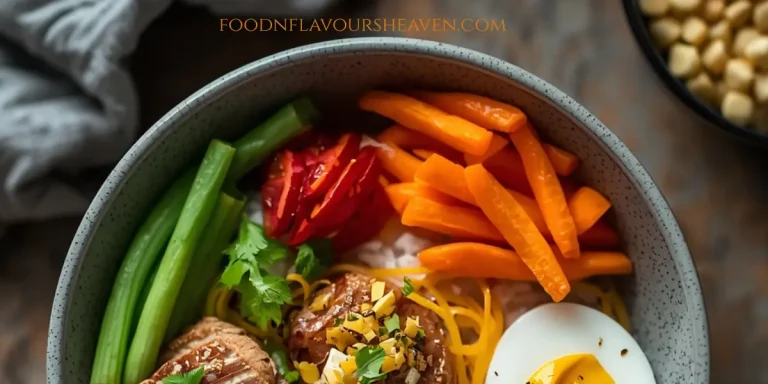
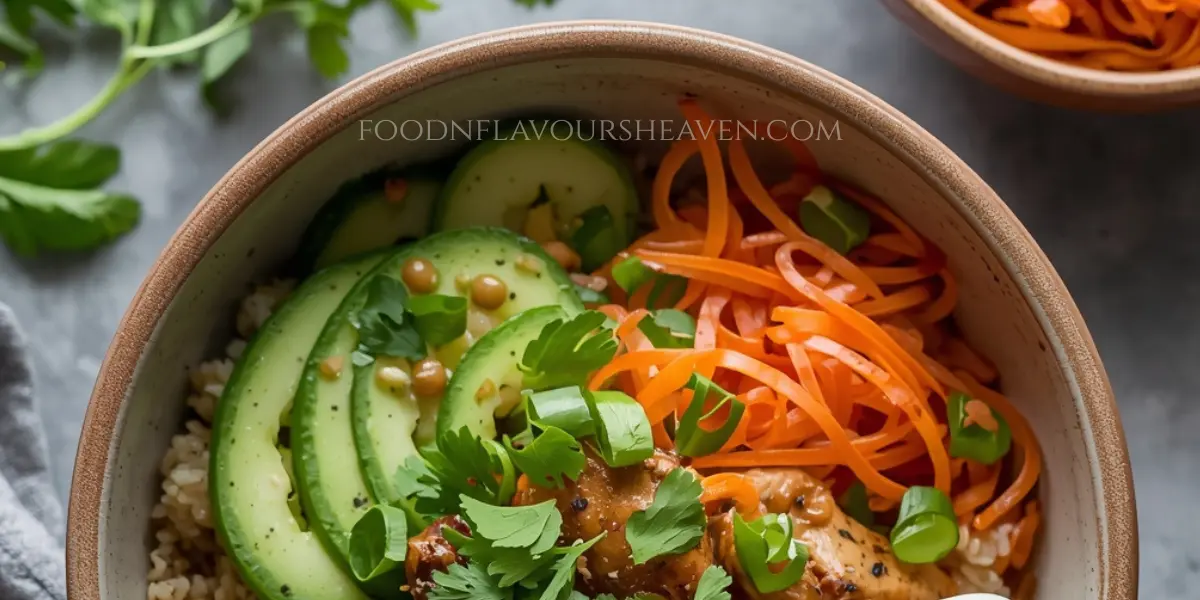
2. Asian Ginger Chicken Rice Bowl (Fresh Style)
This version emphasizes aromatic brightness and lighter preparation, proving chicken and rice can feel refreshing rather than heavy.
Ingredients:
- 4 boneless chicken breasts or thighs, cut into bite-sized pieces
- 1½ cups (300g) jasmine or basmati rice
- 2 cups (480ml) chicken stock
- 1 cup (240ml) water
- 3 tablespoons soy sauce
- 2 tablespoons fresh ginger, minced
- 3 garlic cloves, minced
- 2 green onions, sliced (separate white and green parts)
- 2 tablespoons sesame oil
- 1 tablespoon rice vinegar
- Sesame seeds and cilantro for garnish
Process:
- Rinse rice under cold water until water runs clear, drain thoroughly
- Heat sesame oil in pot over medium heat
- Add chicken pieces, cook 4-5 minutes until lightly browned but not fully cooked
- Add white parts of green onions, ginger, and garlic—cook 1 minute
- Stir in rice, coat with aromatics for 2 minutes
- Pour in chicken stock, water, soy sauce, and rice vinegar
- Bring to boil, then reduce to lowest heat setting
- Cover and cook 18-20 minutes undisturbed
- Turn off heat, let steam 5 minutes with lid on
- Fluff with fork, garnish with green onion tops, sesame seeds, and cilantro
Why this works: Ginger and sesame oil create aromatic base without heaviness. Brief chicken browning adds depth without overcooking. Jasmine rice absorbs Asian flavors beautifully while staying light and fluffy.
3. Spanish-Style Arroz con Pollo (Latin Comfort)
This version brings warmth through spices and tomatoes as they transforming simple ingredients into festive, colorful comfort food.
Ingredients:
- 6 chicken drumsticks or mixed pieces
- 2 cups (400g) medium-grain or bomba rice
- 1 onion, chopped
- 1 red bell pepper, diced
- 4 garlic cloves, minced
- 3½ cups (840ml) chicken broth
- 1 can (400g) diced tomatoes
- 3 tablespoons olive oil
- 2 teaspoons smoked paprika
- 1 teaspoon cumin
- ½ teaspoon turmeric or saffron threads
- 1 cup (150g) frozen peas
- Fresh cilantro and lime wedges
Process:
- Season chicken with salt, pepper, cumin, and 1 teaspoon paprika
- Heat olive oil in wide, shallow pan over medium-high heat
- Brown chicken pieces on all sides, about 8 minutes total, remove and set aside
- Add onion and bell pepper to pan, sauté 4-5 minutes
- Stir in garlic, remaining paprika, and turmeric—cook 1 minute
- Add rice, stir to coat completely with spiced mixture
- Pour in broth and diced tomatoes with juice, stir well
- Arrange chicken pieces on top, bring to boil
- Reduce heat to low, cover and cook 30-35 minutes
- Add frozen peas in last 5 minutes of cooking
- Let rest 5 minutes covered, garnish with cilantro and serve with lime
Why this works: Tomato and smoked paprika create rich, slightly tangy base. Turmeric or saffron adds golden color and earthy depth. Wide, shallow pan allows even rice cooking and develops socarrat (crispy bottom) like authentic paella.
Nutritional Values in chicken and rice recipes
chicken and rice recipes gets praised as “clean eating,” and nutritionally, it delivers balanced macronutrients without excessive processing.
Chicken provides:
- Complete protein for muscle building and repair
- B vitamins (especially B6 and niacin)
- Selenium and phosphorus
- Minimal carbohydrates
Rice contributes:
- Complex carbohydrates for sustained energy
- Iron and magnesium
- B vitamins (especially in brown rice)
- Gluten-free grain option
Typical Nutrition (Per Serving – 1 piece chicken + 1 cup rice):
- Calories: 450–550 depending on chicken cut and cooking method
- Protein: 30–40g from chicken
- Carbohydrates: 45–55g primarily from rice
- Fat: 12–20g (lower with skinless chicken)
- Fiber: 1–3g (higher with brown rice and added vegetables)
- Sodium: Adjustable based on broth and seasoning choices
Asian-style versions tend to be lower in fat. Mediterranean preparations with olive oil provide healthy monounsaturated fats. Adding vegetables increases fiber, vitamins, and mineral content significantly.
From personal cooking experience, chicken and rice recipes works well for:
- Muscle recovery meals
- Meal prep containers (stays fresh 4-5 days)
- Budget-conscious family cooking
- Balanced post-workout nutrition
Tips for Making chicken and rice recipes Better
Most chicken and rice recipes problems come from ratio errors and timing mistakes, not ingredient quality.
Here’s what consistently improves results:
Liquid ratio matters: Use 1.5 to 2 cups liquid per cup of rice depending on variety. Long-grain needs less, short-grain needs more. Too much creates mush, too little burns bottom.
Don’t lift the lid: Steam escapes every time you check. Trust the timing. Peeking releases moisture that rice needs for proper texture.
Season in layers: Salt chicken before browning, season aromatics during cooking, adjust at end. Layered seasoning creates depth single-stage seasoning can’t achieve.
Rest after cooking: Five minutes covered off-heat allows steam redistribution. Rice finishes cooking, chicken stays juicy, flavors settle.
Brown chicken properly: High heat, dry surface, don’t move too early. Proper browning creates fond that becomes flavor foundation for entire dish.
Toast rice briefly: Stirring rice in fat and aromatics before adding liquid enhances nutty flavor and helps grains stay separate.
Use bone-in chicken when possible: Bones release collagen and minerals during cooking, enriching both chicken flavor and rice liquid absorption.
Consider the air fryer alternative: For crispy-skinned chicken with fluffy rice, cook rice separately, then finish seasoned chicken pieces in air fryer at 400°F (200°C) for 12-15 minutes for extra crunch.
One contrarian truth: expensive rice varieties don’t guarantee better results. Proper heat control and liquid ratios with basic long-grain rice beat careless cooking with premium basmati every time.
Which Season Is Best for chicken and rice recipes?
Most people view chicken and rice recipes as year-round staple, and in real kitchens, it absolutely is—with seasonal ingredient adjustments enhancing appeal.
Fall & Winter: Heavier versions with root vegetables, warming spices, richer broths, and heartier grains create comfort during cold months. Add butternut squash, carrots, or mushrooms.
Spring: Lighter preparations with fresh herbs, lemon, asparagus, peas, and lighter broths feel appropriate as weather warms. Finish with fresh dill or parsley.
Summer: Grilled chicken over rice salads, lighter coconut-based versions, or cold rice bowls with fresh vegetables work surprisingly well. Add cucumber, tomatoes, and herbs.
Cold weather increases cravings for hearty one-pot meals, but lighter chicken and rice variations work year-round when paired with seasonal produce and adjusted spice profiles. The dish’s flexibility explains its universal kitchen presence.
FAQs
Can I use brown rice instead of white rice?
Yes. Brown rice requires more liquid (2.5 cups per cup of rice) and longer cooking time (40-45 minutes). Nutritionally superior with more fiber and minerals, though texture differs from white rice.
Why does my rice turn out mushy?
Too much liquid or stirring during cooking releases excess starch. Use proper ratios, don’t lift lid, and avoid stirring once cooking begins. Let rice steam undisturbed.
Can chicken and rice be frozen?
Yes. Cool completely, portion into airtight containers, freeze up to 3 months. Reheat gently with splash of broth to restore moisture. Rice texture may soften slightly after freezing.
Should I use boneless or bone-in chicken?
Bone-in creates richer flavor and stays juicier during long cooking. Boneless cooks faster and suits quick meals. Both work—adjust cooking time accordingly.
How do I prevent rice from sticking to the bottom?
Use heavy-bottomed pot, ensure adequate liquid, maintain low steady heat, and don’t stir after adding liquid. A thin layer of sticking (socarrat) is actually desirable in some traditions.
Conclusion
Chicken and rice works not because it’s elaborate, but because it’s reliable. It transforms basic ingredients into complete meals families actually eat. It adapts to cultural preferences, dietary needs, cooking skills, and budget constraints. Over years of preparing it across different kitchens and meal scenarios, I’ve found that the best versions aren’t complex—they’re balanced. Balanced in protein-to-grain ratio, moisture levels, seasoning layers, and cooking timing.
Whether you prefer Mediterranean one-pot comfort, Asian ginger brightness, or Spanish arroz con pollo warmth, the foundation stays the same: proper browning, liquid ratios, steady heat, and patience. When you understand those principles, chicken and rice becomes less of a recipe and more of a dependable cooking framework—one you can repeat, modify, and perfect without ever checking measurements again.