Chili Recipes: Beyond the Classic Bowl
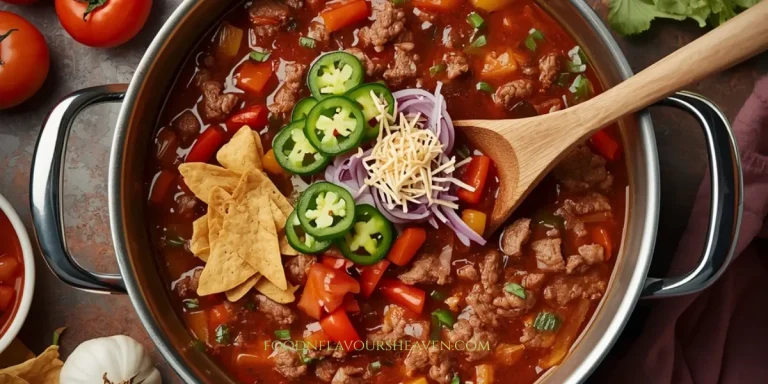
Chili recipes is more than just a hearty meal it’s a canvas of flavors, textures, and regional identities. Most people think of chili as a simple combination of meat, beans, and spices, but the truth is far more nuanced.
From slow-cooked traditions in Texas to modern plant-based experiments, chili offers endless possibilities for experimentation and mastery. By exploring chili through practical insights, historical evolution, and sensory psychology, we can uncover methods to elevate every pot you make. You can find more recipes like these in foodnflavoursheaven.com
Understanding Chili Ingredients Differently
Instead of starting with the usual “onion, garlic, tomato” checklist, let’s reverse-engineer the flavor experience. Think about the heat you want first does it linger subtly, or does it hit instantly? Peppers like ancho, guajillo, or chipotle carry unique smoky or fruity notes that influence the entire profile. Spices, often underexplored, can include unexpected combinations like smoked paprika with cinnamon or cumin paired with coriander.
Beyond taste, texture plays a critical role. Beans, meat, or even lentils affect mouthfeel differently depending on cooking time. Slow-simmered meat becomes gelatinous, releasing umami, while beans contribute a creamy, starchy consistency. Layering these components strategically creates depth that prepackaged recipes rarely achieve.
Non-Traditional Chili Recipes Approaches
While many chili recipes follow a linear path sauté, brown, simmer non-linear culinary strategies can surprise the palate. For example, adding tomatoes at the end of cooking preserves their brightness, contrasting with long-simmered meat. Alternately, blending part of the chili into a sauce mid-cook enhances thickness without relying on flour or cornstarch.
Experimenting with frameworks like nutrition or spirituality can also guide ingredient choices. For example, incorporating beans rich in fiber and minerals satisfies both physical and mental balance, while pairing peppers with vitamin-rich vegetables supports vitality. This lens transforms cooking from routine to mindful practice.
Regional Variations In Chili Recipes and Their Lessons
Chili’s history reveals a fascinating evolution: from early Mexican chili con carne to the chili competitions of Texas, each variant teaches a principle of flavor construction. New Mexico chili emphasizes roasted green chilies, offering mild heat and vibrant color, while Cincinnati-style chili incorporates cinnamon and chocolate for a subtle sweetness that challenges traditional assumptions about what chili should taste like.
Drawing from these regional techniques provides actionable ideas for your own kitchen. You might adopt the slow-roasting technique from New Mexico or experiment with spice layering inspired by Cincinnati’s unique blend. The key takeaway: regional differences are not just cultural they are practical guides for innovation.
Perfect Pairings for Chili recipes
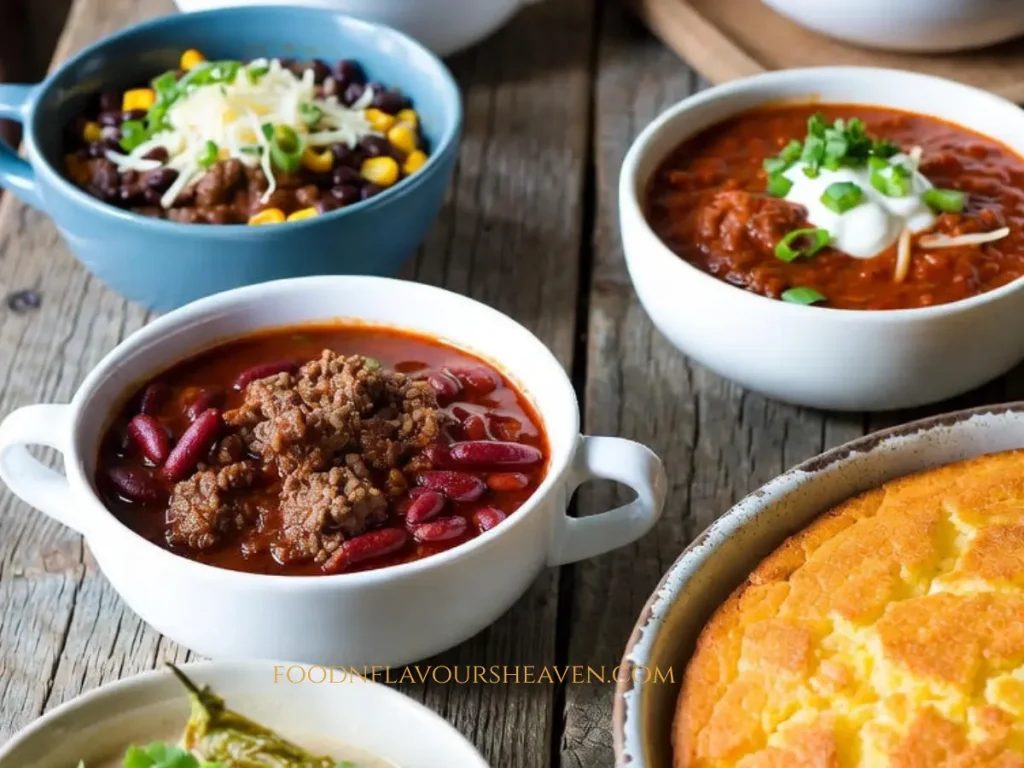
Chili isn’t just a standalone meal it thrives when paired with sides that complement its bold flavors and hearty texture. For American palates, two classic companions are Cornbread and Loaded Baked Potatoes. Both dishes provide balance, texture, and a touch of indulgence that make your chili experience complete.
1. Classic Southern Cornbread
Cornbread offers a slightly sweet, buttery contrast to the savory, spicy intensity of chili. Its soft, crumbly texture absorbs the chili recipes perfectly, creating a satisfying bite every time.
Ingredients:
- 1 cup yellow cornmeal
- 1 cup all-purpose flour
- 1/4 cup sugar (optional for balance)
- 1 tbsp baking powder
- 1/2 tsp salt
- 1 cup milk
- 2 large eggs
- 1/4 cup melted butter or vegetable oil
Process:
- Preheat your oven to 400°F (200°C). Grease a 9-inch cast-iron skillet or baking pan.
- In a large bowl, whisk together cornmeal, flour, sugar, baking powder, and salt.
- In another bowl, beat milk, eggs, and melted butter.
- Pour wet ingredients into the dry mixture and stir until just combined—avoid overmixing to keep cornbread tender.
- Pour batter into the prepared skillet and bake for 20–25 minutes or until golden brown and a toothpick comes out clean.
- Let it cool slightly, then cut into wedges. Serve warm alongside a steaming bowl of chili.
Pro Tip: For added flavor, fold in shredded cheddar cheese or diced jalapeños. It creates a gooey, spicy complement that enhances the chili experience.
2. Loaded Baked Potatoes with chili recipes
Baked potatoes provide a hearty, carb-rich base that pairs perfectly with chili, absorbing both flavor and sauce while adding creamy, cheesy satisfaction.
Ingredients:
- 4 large russet potatoes
- 1 cup shredded cheddar cheese
- 1/2 cup sour cream
- 1/4 cup chopped green onions
- 1/4 cup cooked bacon bits (optional)
- Olive oil and salt
Process:
- Preheat the oven to 425°F (220°C). Scrub potatoes and prick them several times with a fork.
- Rub each potato with olive oil and sprinkle with salt.
- Bake directly on the oven rack for 45–60 minutes, or until the skin is crispy and the inside is soft.
- Slice each potato lengthwise and gently fluff the interior with a fork.
- Top with shredded cheese, a dollop of sour cream, green onions, and bacon bits.
- Serve hot alongside chili, letting guests scoop chili directly onto the potato for a satisfying fusion of flavors.
Pro Tip: For a vegetarian-friendly version, replace bacon with roasted vegetables or sautéed mushrooms.
These sides balance your chili’s heat and spice, offer textural variety, and appeal strongly to American tastes. Cornbread soaks up sauce, while loaded baked potatoes provide a comforting, filling addition perfect for family dinners, game days, or casual gatherings.
Practical Tips for Elevated Chili recipes
- Balance heat and acidity: Lime juice or vinegar added at the end enhances flavor without overpowering.
- Layering proteins: Mixing beef, pork, or even turkey with mushrooms can replicate umami complexity naturally.
- Spice integration timing: Toasting spices before adding liquid releases oils, maximizing aroma.
- Texture contrast: Adding crisp vegetables or a dollop of creamy topping creates a multidimensional experience.
- Batch experimentation: Cook small test batches adjusting one variable—bean type, chili variety, or cooking time—to identify your ideal profile.
These steps embody an analytical perspective, turning chili from simple comfort food into an exploratory culinary practice.
Contrarian Perspectives on Chili recipes
Most cooks assume chili requires beans. Texas purists disagree, advocating “meat-only” chili to let spices shine. Conversely, plant-based chefs challenge this notion, using legumes, mushrooms, and textured soy to create satisfying protein-rich dishes. By questioning these assumptions, you open opportunities for flavor discovery and dietary adaptation.
Even the concept of slow simmering is not absolute. Quick-stir chili with pre-cooked ingredients can maintain heat and freshness, catering to fast-paced lifestyles without sacrificing taste. Experimentation becomes the real measure of mastery.
Frequently Asked Questions
Q: Can chili recipes be healthy without losing flavor?
A: Absolutely. Using lean meats, fiber-rich beans, and vegetables boosts nutrition. Layer spices strategically to maintain robust flavor without relying on excess oil or salt.
Q: What’s the secret to the perfect chili texture?
A: Combining different protein types and staggered cooking times ensures a balanced mix of tender meat, creamy beans, and hearty vegetables.
Q: Can I make chili recipes in advance?
A: Yes. Chili often tastes better the next day, as flavors meld. Store in airtight containers and reheat gently to preserve texture.
Q: How do I adjust chili heat for guests?
A: Cook peppers separately and allow diners to add according to preference. This approach respects both mild and adventurous palates.
Q: Are there global chili recipes variations worth exploring?
A: Yes. From South African chakalaka to Indian chili-spiced lentils, global recipes provide inspiration for combining spices and textures in unexpected ways.
Final Thoughts: Elevate Your Chili Recipes Game
Chili is more than a recipe—it’s an evolving culinary art. By approaching it from multiple angles—historical, nutritional, experimental—you unlock layers of taste, aroma, and experience. Every ingredient, spice, and method has potential to transform a humble bowl into an extraordinary meal.
Take your chili journey further. Download our app today to explore step-by-step guides, regional recipes, and tips from expert cooks. Discover, experiment, and master chili like never before!