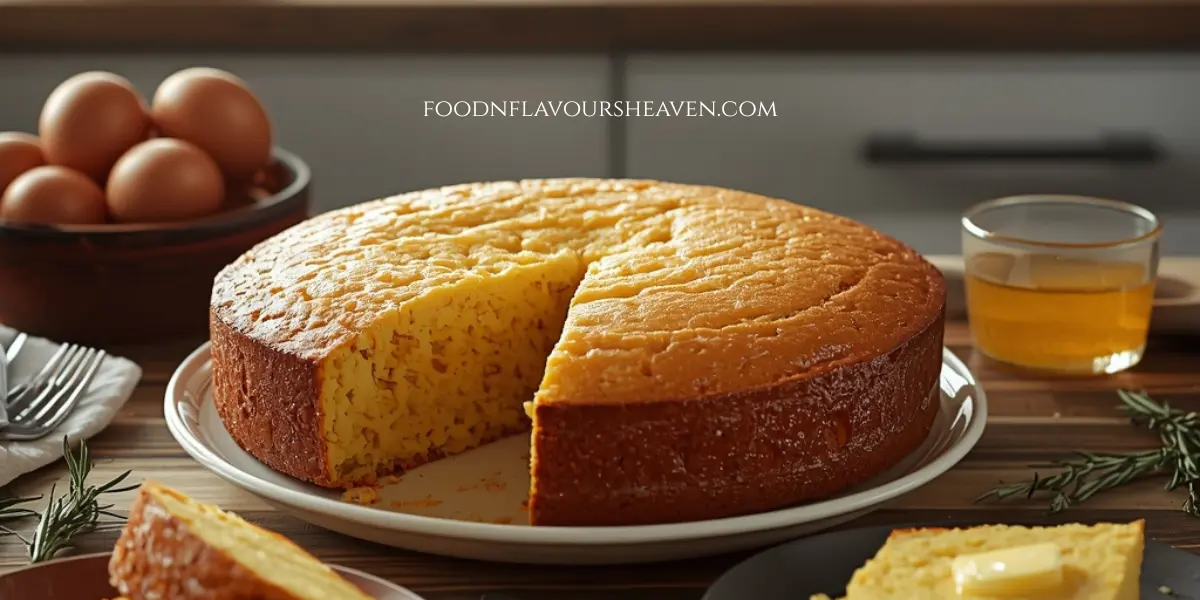
3 Cornbread Recipe: Why This Simple Bread Still Wins Every Table
Cornbread doesn’t begin with measuring cups or oven timers. It begins with confidence. In a world full of slow-fermented doughs and complex baking formulas, cornbread quietly proves that simplicity scales better than perfection. This article approaches the cornbread recipe from that overlooked angle why it works so reliably, how it adapts across kitchens, and how a few strategic variations can multiply its value.
Instead of walking forward step by step, let’s start at the end: people return to cornbread because it never fails them. Whether paired with chili, served at holidays, or baked on a busy weekday, cornbread delivers consistent texture, familiar flavor, and emotional comfort. Make another dinner recipe by reading this Guide Ground beef recipes
What Cornbread recipe Really Represents in Modern Cooking
Cornbread is not just a side dish; it’s a functional recipe asset. Historically shaped by Native American corn cooking and refined through Southern food culture, cornbread evolved to meet practical needs affordable grain, quick cooking, and high satisfaction.
From a psychology standpoint, cornbread reduces decision fatigue. You don’t overthink it. From a content perspective, that’s why cornbread recipes rank well: they meet user intent fast and reward action immediately.
Ingredients That Shape Outcome (Not Just Flavor)
Cornbread recipe relies on balance, not abundance. Each component affects structure and mouthfeel:
- Cornmeal controls grain and aroma
- Flour stabilizes the crumb
- Milk or buttermilk manages moisture and acidity
- Eggs bind and lift
- Fat delivers tenderness
- Leavening ensures rise without fermentation
A critical but often ignored truth: cornbread recipe doesn’t need excess sugar. Slight sweetness enhances corn flavor, but too much disrupts its savory identity.
A Contrarian View: Sweet Cornbread Isn’t the Default
Many modern recipes assume sweetness equals quality. In practice, savory-forward cornbread performs better with soups, meats, and vegetables. Reducing sugar improves adaptability and extends usability into leftovers like stuffing bases or skillet reheats.
1. Classic Everyday Cornbread Recipe (Reliable & Balanced)
This is the foundation for cornbread recipe designed for repeat success.
Ingredients
- 1 cup yellow cornmeal
- 1 cup all-purpose flour
- 1 tablespoon baking powder
- ½ teaspoon salt
- 2 tablespoons sugar (optional)
- 1 cup milk or buttermilk
- 2 large eggs
- ¼ cup melted butter or oil
Method
- Preheat oven to 400°F (200°C) and grease a baking dish or skillet.
- Mix dry ingredients in one bowl.
- Whisk wet ingredients separately.
- Combine gently until just mixed.
- Bake 20–25 minutes until golden and set.
Recipe Variation 2: Southern Skillet Cornbread (Savory Focus)
This version emphasizes texture and aroma rather than sweetness.
Why It Works
Cast iron creates heat retention, crisp edges, and a moist interior ideal for traditional meals.
Ingredients
- 1½ cups stone-ground cornmeal
- ½ cup flour
- 1 teaspoon baking powder
- ½ teaspoon baking soda
- 1 teaspoon salt
- 1½ cups buttermilk
- 2 eggs
- ¼ cup bacon fat or butter
Method
Preheat skillet in oven. Mix ingredients, pour batter into hot fat, and bake at 425°F (220°C) for 20 minutes. Expect crunchy edges and a rustic crumb.
Recipe Variation 3: Honey Butter Cornbread (Soft & Crowd-Friendly)
Designed for gatherings and first-time bakers.
Why It Converts
This version leans into softness and mild sweetness without becoming cake-like.
Ingredients
- 1 cup cornmeal
- 1 cup flour
- 1 tablespoon baking powder
- ½ teaspoon salt
- ¼ cup honey
- 1 cup milk
- 2 eggs
- ¼ cup melted butter
Method
Mix, bake at 375°F (190°C) for 25 minutes, and brush warm bread with honey butter before serving.
Texture Control: The Skill That Separates Good from Great
Cornbread batter should pour slowly not run, not hold shape. Overmixing tightens the crumb. Undermixing creates uneven pockets. A cast-iron skillet improves structure through consistent heat distribution.

Smart Variations That Add Purpose
- Cheddar cheese adds protein and richness
- Jalapeños introduce contrast
- Corn kernels reinforce texture
- Herbs support savory profiles
Each addition should support balance, not distract.
Storage, Reheating, and Practical Use
Cornbread recipe keeps for 2 days at room temperature or 5 days refrigerated. Reheat in an oven or skillet to restore texture. It freezes well and integrates into meal prep plans efficiently
FAQs
Is cornbread gluten-free?
Not by default. Use gluten-free flour to adapt.
Why does cornbread turn dry?
Overbaking, excess cornmeal, or low fat.
Can I make cornbread without eggs?
Yes. Yogurt, applesauce, or flax eggs work.
Should cornbread crumble easily?
Some crumble is natural, but it should still slice clean.
Can I freeze cornbread?
Yes, up to 3 months when wrapped properly.
Final Takeaway: Why Cornbread Still Outperforms Trends
Cornbread remains relevant because it respects the cook’s time. It’s adaptable, affordable, and emotionally familiar. When recipes focus on structure, balance, and purpose not gimmicks cornbread consistently delivers results.
Master one base recipe, understand two variations, and you’ll never need another bread in your rotation.