3 Easy Ground Turkey Recipes for Weeknight Dinners
Most home cooks approach ground turkey recipes backwards, starting with diet restrictions rather than flavor possibilities. I discovered this protein’s versatility not through health blogs, but watching my Turkish neighbor transform it into dishes that made my “healthy” chicken breasts look utterly boring. The revelation? Ground turkey recipes aren’t just chicken’s cheaper alternative; they require their own techniques, seasoning philosophy, and respect for moisture content.
The typical advice “substitute it anywhere you’d use beef” is precisely why most people end up with dry, flavorless disappointments. Ground turkey demands understanding its 93% lean composition, its neutral flavor profile as opportunity rather than limitation, and its rapid cooking time as both blessing and curse. After burning through countless batches and redeeming even more, I’ve learned that successful turkey recipes hinge on three non-negotiable principles: aggressive seasoning before cooking, strategic fat introduction, and never overcooking past 165°F internal temperature.
Ingredients
The foundation ingredients shift depending on your culinary direction, but certain elements remain constant across preparations. Quality ground turkey ideally 93/7 lean-to-fat ratio provides optimal texture without excessive grease. Dark meat blends (85/15) work beautifully for applications mimicking beef, though I rarely recommend them for Mediterranean or Asian-inspired dishes where the lighter profile shines.
Your aromatics base typically includes yellow onion, garlic cloves (fresh, never powder for primary flavoring), and depending on cuisine directions ginger root, bell peppers, or celery. Binding agents matter more than with beef: breadcrumbs, panko, or crushed crackers absorb moisture that would otherwise pool unappetizingly. Egg serves dual purposes as its binder and moisture insurance.
Seasoning requires generosity bordering on aggression. Kosher salt, black pepper, cumin, paprika, and oregano form my baseline. Specific recipes demand specialized additions: sesame oil and soy sauce for Asian preparations, tomato paste and Worcestershire for Italian-American styles, or za’atar and sumac for Middle Eastern applications.
Healthy fats like olive oil or avocado oil prevent sticking and aid browning—turkey’s low-fat content means it won’t render enough on its own. Fresh herbs added at finish like cilantro, parsley, basil to provide brightness that cooked herbs cannot replicate.
How to Make Ground Turkey Recipes
The methodology diverges sharply from beef or pork preparations. First, never cook turkey straight from refrigeration as room temperature meat (15-20 minutes out) browns properly instead of steaming. Second, your pan must be screaming hot before protein touches metal. Medium-high heat, quality skillet, thin oil layer.
Break up the meat into rough chunks initially, then leave it alone. The biggest amateur mistake? Constant stirring. Let it develop fond, those browned bits carry 70% of your flavor. Only after achieving proper sear do, you agitate and break into desired size pieces.
Season during cooking in layers rather than pre-mixing everything. Initial salt and pepper when meat hits pan, secondary spices after first browning, final adjustments before serving. This staged approach prevents spice burning while building complexity.
For formed preparations like meatballs or burgers, handle the mixture minimally. Overworking develops gluten in binders and compacts protein strands, yielding dense, tough results. Mix just until combined, form gently, and refrigerate shaped portions for 30 minutes before cooking—this prevents crumbling.
Liquid additions require timing precision. Too early and you’re steaming, too late and spices won’t bloom properly. After initial browning, create a well in your pan center, add liquids there with aromatics, let them reduce slightly, then incorporate throughout. if you want to make Potato Soup Recipes then check this recipe.
Three Ground Turkey Recipes
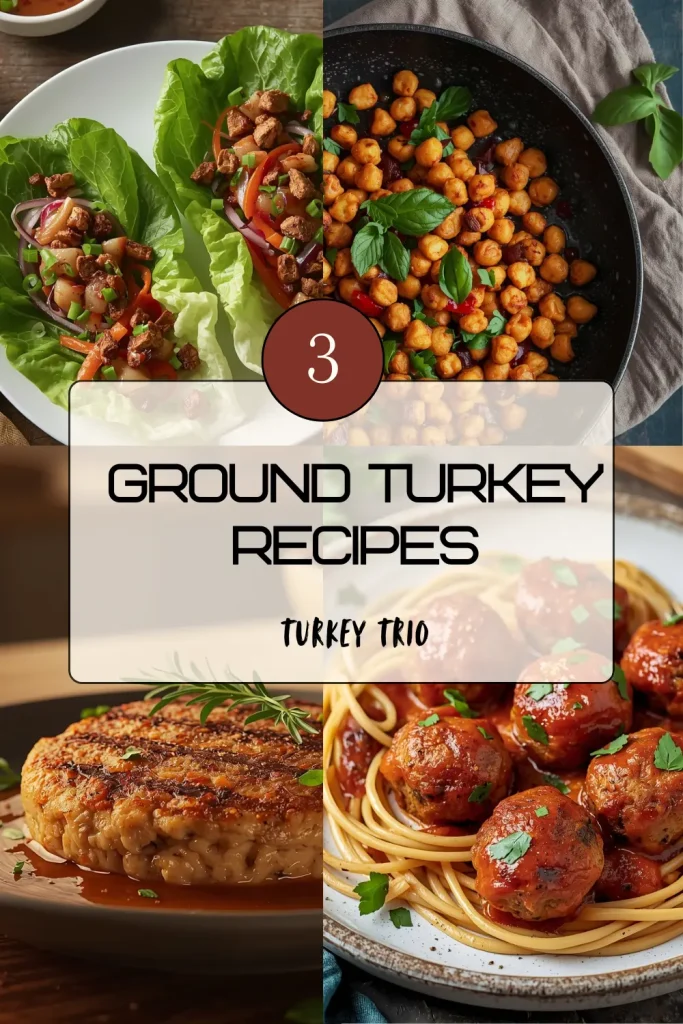
Turkish-Spiced Skillet with Chickpeas
This one-pan wonder emerged from combining leftover pantry items, then became weekly rotation material. Heat two tablespoons olive oil over medium-high flame. Add one pound ground turkey, breaking into chunks. Don’t touch it for three minutes—this develops crucial crust. Add diced yellow onion and four minced garlic cloves, cooking until softened.
Introduce spices: one tablespoon cumin, one teaspoon coriander, half teaspoon cinnamon, quarter teaspoon cayenne. Stir for thirty seconds until fragrant. Pour in one can diced tomatoes with juices, one can drained chickpeas, and half cup chicken stock. Reduce heat to medium-low, simmer fifteen minutes until liquid mostly evaporates.
Finish with chopped fresh mint, squeeze of lemon juice, and crumbled feta cheese. Serve over couscous or alongside warm pita. The chickpeas add textural contrast while extending servings economically. Cinnamon provides unexpected warmth without reading as “sweet.”
Asian-Style Lettuce Wraps
Restaurant versions drown in sugar-heavy sauces—this recipe balances savory, spicy, and fresh elements properly. Combine two tablespoons soy sauce, one tablespoon rice vinegar, one teaspoon sesame oil, and one teaspoon sriracha. Set aside.
Heat one tablespoon neutral oil in wok or large skillet over high heat. Add one pound ground turkey, breaking apart and cooking until no pink remains (about five minutes). Add one tablespoon grated ginger, three minced garlic cloves, and four chopped scallions (white parts only). Cook two minutes.
Pour in sauce mixture plus one-third cup hoisin sauce. Stir-fry for three minutes until liquid reduces and coats meat. Remove from heat, fold in diced water chestnuts for crunch, and reserved scallion greens.
Serve in butter lettuce cups with lime wedges, additional sriracha, and crushed peanuts. The water chestnuts are non-negotiable because they provide necessary textural contrast against turkey’s softness. Butter lettuce works better than iceberg; its cup shape and subtle flavor won’t compete.
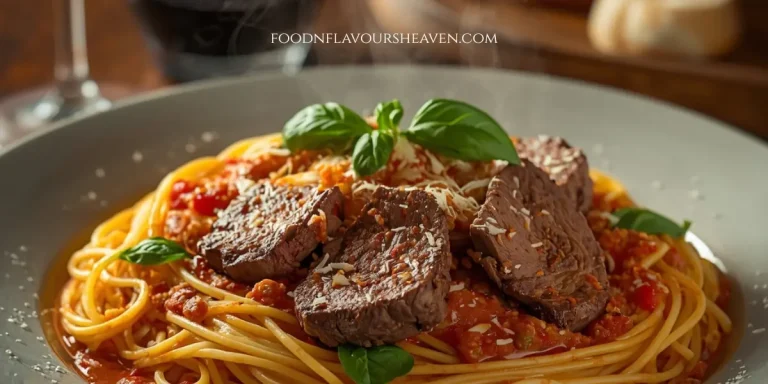
Italian-American Turkey Meatballs
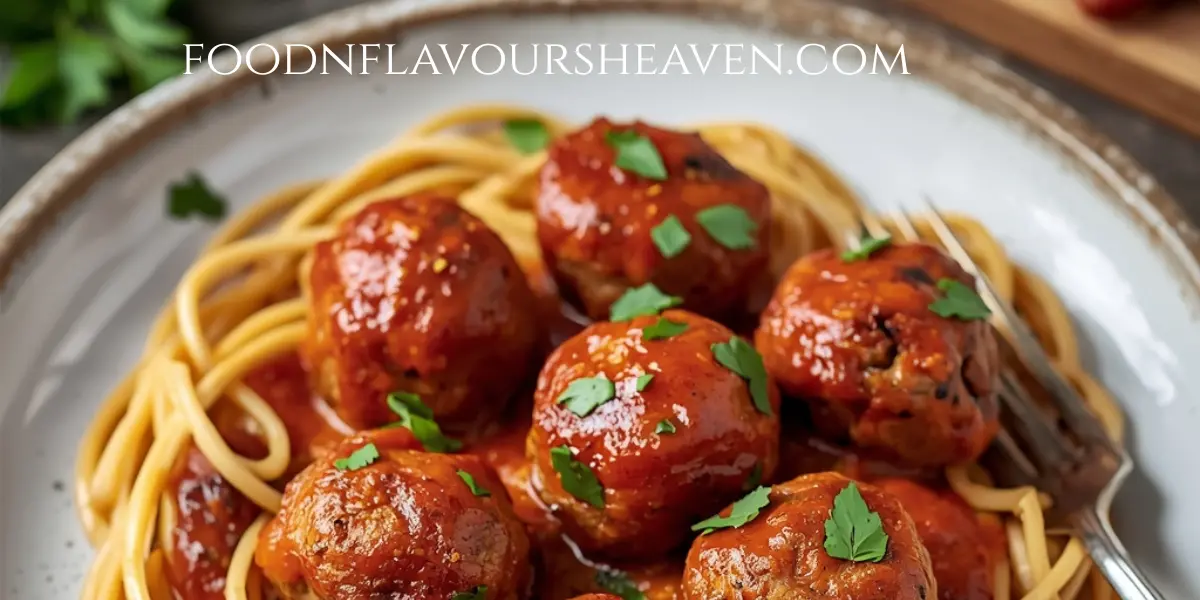
These aren’t trying to be beef meatballs; they’re their own entity with strategic moisture management. Combine one pound ground turkey, half cup panko breadcrumbs, quarter cup grated Parmesan, one egg, two minced garlic cloves, two tablespoons chopped parsley, one teaspoon dried oregano, half teaspoon salt, and quarter teaspoon black pepper.
Here’s the trick: add two tablespoons whole milk ricotta. This keeps meatballs tender without greasiness. Mix gently with hands just until combined. Roll into golf-ball sized portions, refrigerate thirty minutes.
Heat two tablespoons olive oil in oven-safe skillet over medium heat. Brown meatballs on all sides (about eight minutes total), working in batches to avoid crowding. Return all meatballs to pan, pour over two cups marinara sauce, and transfer to 375°F oven for fifteen minutes.
The ricotta technique came from an Italian grandmother who scoffed at my dry turkey attempts. She was right as internal moisture matters more than external sauce.
Nutritional Values and Servings
A four-ounce serving of cooked 93% lean ground turkey provides approximately 170 calories, 21 grams protein, 9 grams fat, and zero carbohydrates before additional ingredients. This protein density makes it exceptional for macro-focused eating without the saturated fat load of beef.
The Turkish skillet recipe yields four generous servings at roughly 380 calories each with chickpeas and couscous included. Protein content reaches 32 grams per serving while fiber from legumes contributes 8 grams. This balanced macronutrient profile sustains energy without afternoon crashes.
Lettuce wraps serve four at approximately 240 calories per serving (three wraps each). The high protein (28 grams) and low carbohydrate (12 grams) profile suits low-carb approaches while remaining satisfying through healthy fat inclusion from sesame oil and peanuts.
Italian meatballs (five meatballs per serving) clock in around 310 calories with sauce, offering 29 grams protein. The ricotta addition contributes calcium and additional protein while keeping saturated fat reasonable at 4 grams per serving.
These nutritional profiles assume moderate sauce and serving recommendations. Actual values fluctuate based on specific brands and portion sizes. The beauty lies in ground turkey’s flexibility to adjust fat ratios, increase vegetable content, or modify accompaniments to meet specific dietary requirements without sacrificing satisfaction.
Tips for Making This
Temperature control determines success more than any other factor. Invest in an instant-read thermometer and pull turkey at exactly 165°F internal temperature. Carryover cooking adds another five degrees, preventing the chalky dryness that plagues most preparations.
Don’t fear fat additions in lean turkey recipes. A tablespoon of olive oil incorporated into mixture or drizzled during cooking prevents sticking and aids browning without negating health benefits. The difference between 93% and 85% lean matters less than cooking technique.
Taste and adjust aggressively. Turkey’s neutral baseline requires more seasoning than intuition suggests. What seems oversalted in raw mixture often tastes perfectly balanced after cooking. I keep finishing salt, acid (lemon juice or vinegar), and fresh herbs nearby for final adjustments.
Batch cook and freeze intelligently. Seasoned, cooked ground turkey maintains quality frozen for three months. Portion into cup measurements for quick additions to grain bowls, stuffed peppers, or emergency tacos. This strategy beats freezing raw turkey, which suffers texture degradation.
Use turkey in applications celebrating its characteristics rather than hiding them. Lean proteins excel in highly spiced cuisines—Indian, Thai, Mexican, Middle Eastern—where robust flavoring complements rather than compensates. Attempting turkey Bolognese disappoints; turkey tikka masala succeeds.
Consider texture additions beyond standard vegetables. Finely diced mushrooms introduce umami and moisture, quinoa adds nutty flavor while extending volume, and small amounts of miso paste provide depth without identifiable flavor.
Conclusion
In conclusion, ground turkey recipes succeed when cooks abandon the “healthy substitute” mentality and embrace the protein’s unique properties. The three recipes presented—Turkish skillet, Asian wraps, and Italian meatballs—demonstrate versatility across cuisines while highlighting fundamental techniques: proper browning, strategic seasoning, and moisture management.
My relationship with ground turkey evolved from reluctant health compliance to genuine appreciation through understanding rather than substitution. Each preparation taught lessons about temperature precision, seasoning confidence, and textural awareness that improved all my cooking.
The nutritional benefits emerge naturally when flavor takes priority—well-seasoned, properly cooked turkey doesn’t need apology or disguise. Whether feeding family, meal prepping for the week, or seeking economical protein options, these recipes provide starting points for exploration rather than rigid formulas.
FAQs
Can I freeze cooked ground turkey recipes?
Yes, all three recipes freeze well for up to three months. Cool completely, portion into airtight containers, and label with dates. Thaw overnight in refrigerator before reheating. Lettuce wrap filling freezes better than assembled wraps.
Can I substitute ground chicken for ground turkey in these recipes?
Yes, though chicken tends slightly drier than turkey. Add an extra tablespoon of oil or ricotta to compensate. Cooking times and temperatures remain identical.
How do I prevent ground turkey from sticking to the pan?
Ensure your pan is properly preheated and lightly oiled. Don’t move the meat for the first 2-3 minutes to develop a crust that naturally releases. Non-stick or well-seasoned cast iron works best.
Can these recipes be made ahead and reheated?
Absolutely. The Turkish skillet and meatballs actually improve overnight as flavors meld. Store separately from grains or lettuce cups, reheating gently with a splash of water or broth to prevent drying.
What’s the best way to tell if ground turkey is fully cooked without a thermometer?
While thermometers are most reliable, properly cooked turkey loses all pink color and juices run clear. The texture firms up considerably compared to raw meat. For meatballs, cut one open to verify uniform color throughout.