Pancake Recipes You’ll Want Every Morning (3 Easy Favorites)
The truth most breakfast blogs avoid is simple: you don’t need dozens of pancake recipes to eat pancakes every morning. You need three that actually work. After years of testing batters in real kitchens busy mornings, half-awake flips, limited ingredients it becomes clear that good pancakes are not about perfection. They are about reliability, balance, and small decisions that compound.
Historically, pancakes were everyday food, not weekend treats. Long before modern brunch culture, simple batters cooked on hot stones fed families quickly. That mindset matters today. When you stop chasing novelty and focus on repeatable results, pancakes become a daily habit, not an occasional reward.
This guide approaches pancake recipes from that practical angle. Not trends. Not complicated techniques. Just three easy favorites built around how people actually cook and eat in the morning. If you love to cook easy recipes like this, then visit our website foodnflavoursheaven.com.
How to Make Pancakes
Most people assume pancake making is linear: mix, pour, flip. In reality, it’s responsive. Batter texture, pan heat, and timing work together. Miss one, and the pancake still cooks but not well.
A useful mental framework is control versus flow. You control ingredients and heat. You allow flow when bubbles form and edges set. Forcing the flip early breaks structure. Waiting too long dries the crumb.
Contrary to popular advice, the first pancake doesn’t have to fail. It fails when the pan isn’t ready or the batter hasn’t rested. Five quiet minutes of rest allows flour hydration, gluten relaxation, and better browning. That pause is more effective than adding extra sugar or fat. However if you want to make a delicious american styled dinner then read this louisiana red beans and rice recipe aswell.
Mix dry ingredients
In a large bowl, whisk together:
- Flour
- Baking powder
- Salt
- Sugar
Mix wet ingredients
In another bowl, whisk together:
- Milk
- Egg
- Melted butter
- Vanilla extract
Combine wet and dry ingredients
- Pour the wet ingredients into the dry ingredients.
- Stir gently until just combined. Lumps are okay overmixing makes pancakes tough.
Cook the pancakes
- Heat a nonstick skillet or griddle over medium heat. Lightly grease with butter or oil.
- Pour ¼ cup batter per pancake onto the skillet.
- Cook until bubbles form on the surface (about 2–3 minutes), then flip.
- Cook the other side until golden brown (about 1–2 minutes).
Serve
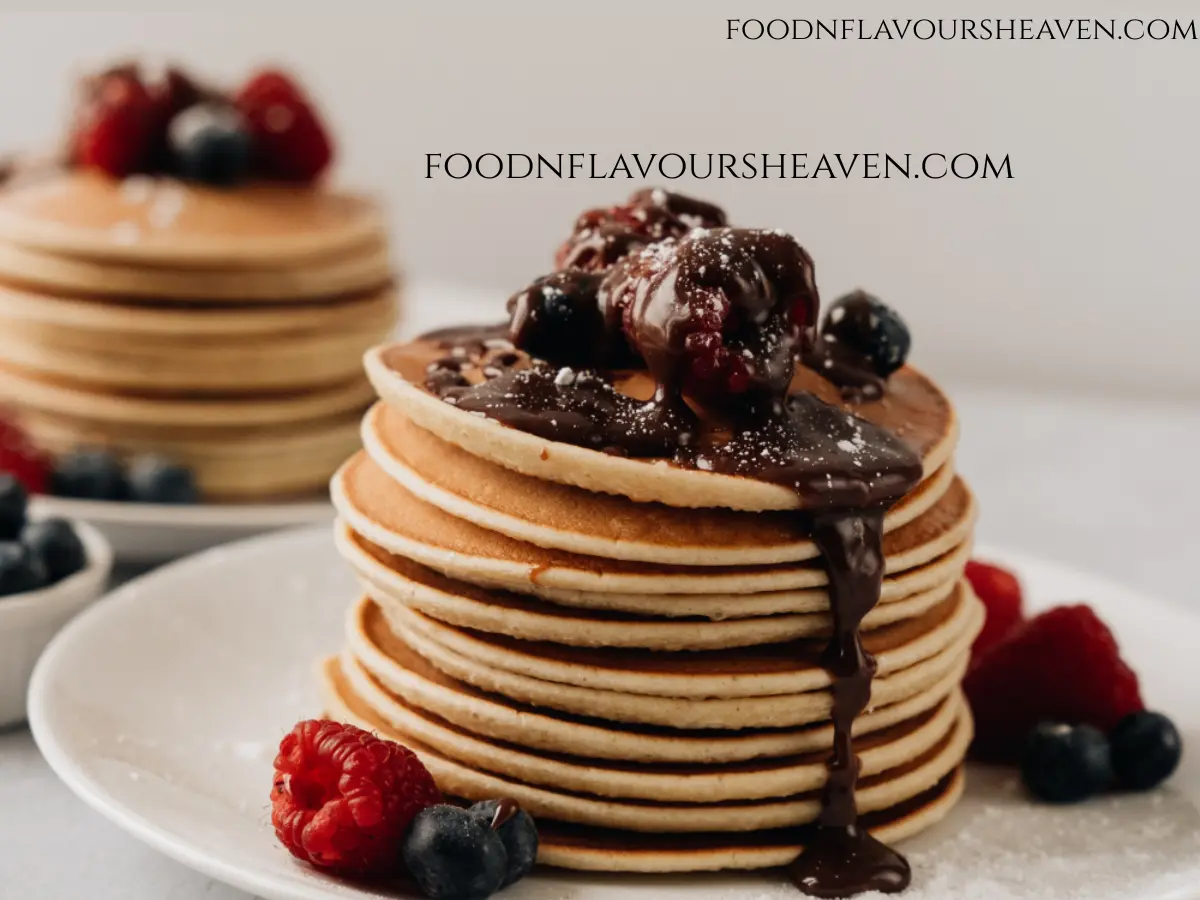
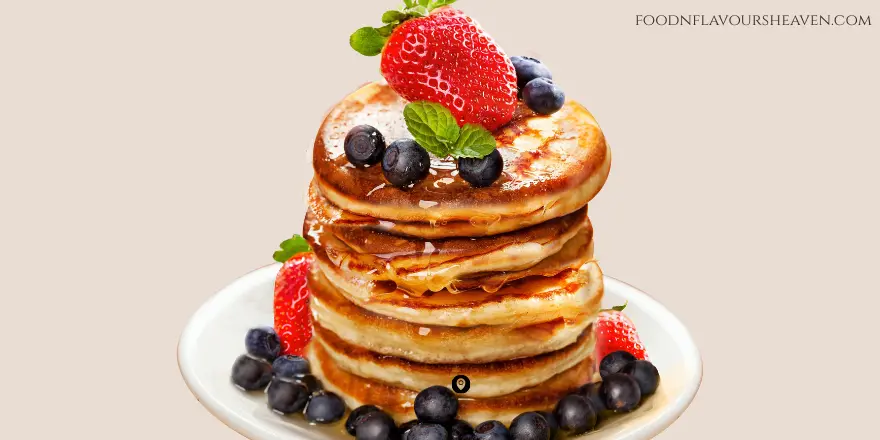
Stack them up and serve with:
- Maple syrup
- Butter
- Fresh fruit
- Whipped cream, chocolate chips, or nuts
Ingredients That Actually Matter
Ingredients in pancake recipes are often listed without context. But behavior matters more than names.
Core ingredients across all three favorites:
- Flour or grain base (structure)
- Liquid like milk or alternatives (hydration)
- Eggs (binding and lift)
- Fat such as butter or oil (tenderness)
- Leavening (air control)
- Salt (flavor clarity)
Sugar is optional. This challenges a common belief. Sweetness can come later from toppings. Removing excess sugar improves browning control and prevents burning.
Real-world example: if you cook pancakes daily for kids before school, a lower-sugar batter keeps energy stable and cleanup easier. That’s not theory it’s lived kitchen logic.
Ingredient swaps work best when you respect roles. Oats absorb more liquid. Bananas add moisture and density. Chickpea flour sets faster. Knowing this prevents disappointment.
Tips to Make It Better
Improvement in pancake recipes comes from restraint, not additions.
Heat discipline: Medium heat beats high heat. Fast browning hides raw centers.
Resting batter: Even five minutes changes texture noticeably.
Pan choice: A heavy pan holds temperature better than thin nonstick.
Single flip rule: Multiple flips deflate air pockets.
A contrarian insight: thicker batter is not always better. Many fluffy pancakes are simply undercooked inside. Slightly looser batter spreads evenly and cooks through.
Pancakes reward patience. Watching bubbles form trains attention. That awareness improves outcomes more than any gadget.
Historically, cooks learned by sight and sound, not timers. That skill still applies. Listen for gentle sizzle. Look for matte edges. These cues outperform written instructions.
Conclusion
The best pancake recipes are not the most creative they are the most dependable. When you work backward from the result you want soft center, golden surface, steady energy you realize pancakes are a system, not a shortcut.
These three easy favorites succeed because they respect ingredient behavior, cooking rhythm, and real-life constraints. They don’t demand perfection. They reward attention.
When pancakes become part of your morning routine instead of a special event, they quietly improve breakfast quality, consistency, and enjoyment.
That’s why these are the pancake recipes you’ll want every morning not because they impress, but because they work.
FAQs:
Why do my pancakes turn out flat?
Flat pancakes usually mean over-mixed batter or inactive leavening. Stir gently and check freshness of baking powder.
Can I make pancakes without eggs?
Yes. Mashed banana, yogurt, or flaxseed mixtures can bind batter, though texture will be denser.
What’s the best flour for easy pancake recipes?
All-purpose flour is most forgiving. Oat flour adds nutrition but needs more liquid.
Why do pancakes burn outside but stay raw inside?
Heat is too high. Lower the temperature and extend cooking time slightly.
Can pancake batter be stored?
Dry ingredients can be pre-mixed. Wet batter is best used fresh, though some oat-based batters hold for one day refrigerated.