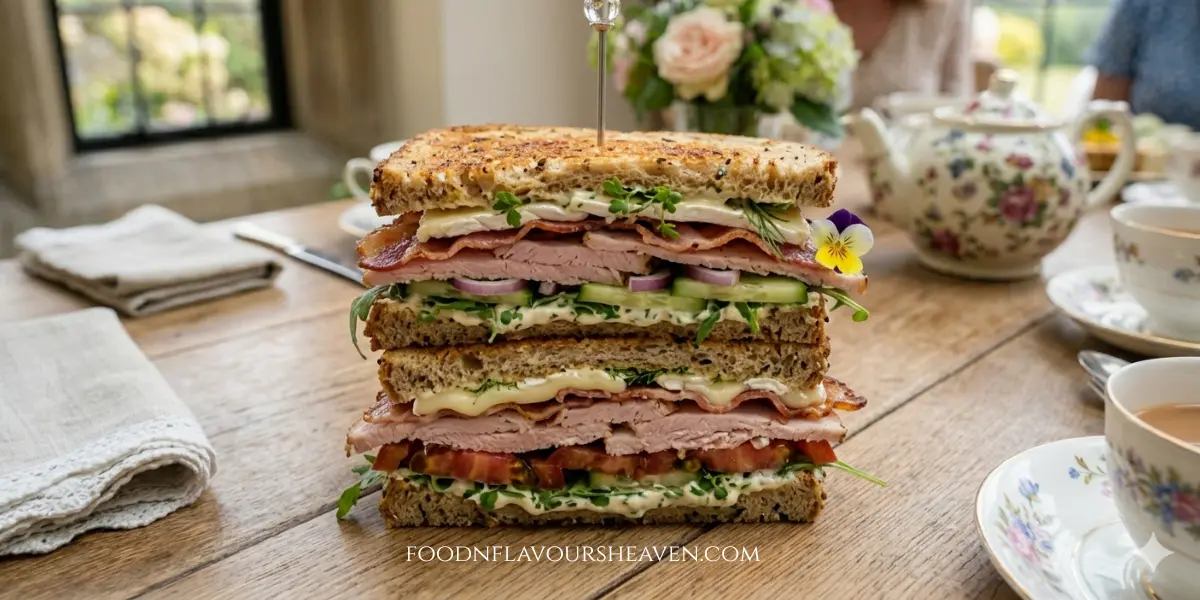
Tea Party Sandwiches Recipe: Why the Smallest Bites Leave the Biggest Impression
Most people think tea party sandwiches are about elegance, but in practice, they’re about controlflavor control, texture balance, and portion precision. I learned this the hard way while preparing a last-minute spread for a small gathering inspired by British Afternoon Tea. The sandwiches looked perfect, but the flavors clashed. That day taught me: simplicity is not basic—it’s technical.
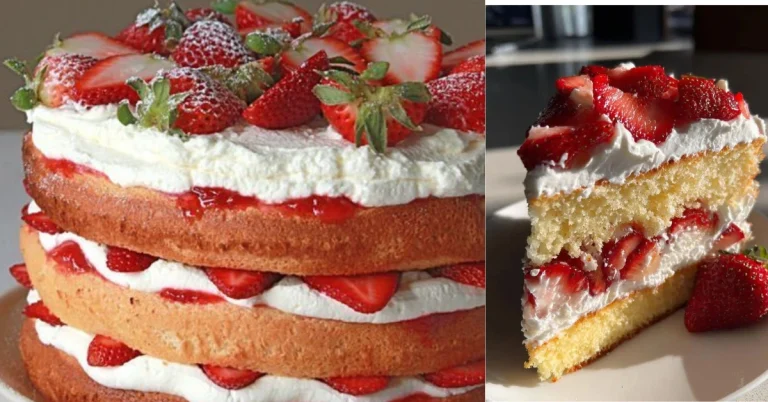
Let’s work backwards from that realization. moreover if you have a sweet tooth then you can make strawberry shortcake through this guide
Recipe Info
- Prep Time: 25 minutes
- Cook Time: 0–10 minutes (if toasting or boiling eggs)
- Total Time: 30–35 minutes
- Servings: 12–16 mini sandwiches
- Cuisine: Classic English tea-style
- Skill Level: Beginner-friendly but detail-focused
These delicate tea sandwiches aren’t just finger food—they’re structured bites designed for layered taste without heaviness.
Ingredients for Tea Party Sandwiches
Think in clusters, not lists. Bread-softness-spread. Filling-moisture-balance. Garnish-aroma-contrast.
- Fresh white or whole wheat bread (crust removed)
- Unsalted butter (room temperature)
- Cream cheese (smooth texture)
- Thin cucumber slices
- Boiled eggs (finely chopped)
- Mayonnaise (light, not overpowering)
- Fresh herbs (dill, parsley, chives)
- Smoked salmon (optional)
- Salt and black pepper
- Lemon juice (few drops for freshness)
Optional pairing: a mild brew like Earl Grey tea enhances subtle flavors.
Instructions
Start from the middle, not the beginning.
- Prepare the fillings first
Mix chopped eggs with mayonnaise, salt, pepper. Keep it slightly chunky—not paste-like. - Balance moisture early
Pat cucumber slices dry. Excess water ruins bread texture faster than anything else. - Layer strategically
- Butter one side of each bread slice
- Add a thin layer of cream cheese or egg mix
- Place cucumber or salmon evenly
- Close and compress gently
Press lightly—don’t flatten. - Trim edges precisely
Remove crusts. Cut into triangles, rectangles, or fingers. - Rest before serving
Cover with a damp cloth for 10 minutes. This keeps the bread soft without sogginess.
Tips & Notes for Tea Party Sandwiches
This is where most guides stay surface-level. Let’s go deeper.
- Butter is not optional
It acts as a moisture barrier. Skip it, and your sandwich becomes limp within minutes. - Knife technique matters
A serrated knife prevents tearing. Clean edges improve presentation and texture. - Temperature control
Cold fillings + room temp bread = ideal bite contrast. - Herb distribution
Don’t mix herbs randomly. Pair dill with cucumber, chives with eggs. - Psychology of portion size
Smaller sandwiches feel more premium. Guests tend to try more varieties.
From experience, overloading fillings is the most common mistake. Precision wins over quantity.
Nutrition Information
Per serving (approximate for 2–3 mini sandwiches):
- Calories: 120–180 kcal
- Carbohydrates: 12–18g
- Protein: 4–7g
- Fat: 6–10g
- Fiber: 1–2g
These are light bites, not full meals—designed for grazing, not fullness.
Variations in Tea Party Sandwiches
Here’s where creativity meets restraint.
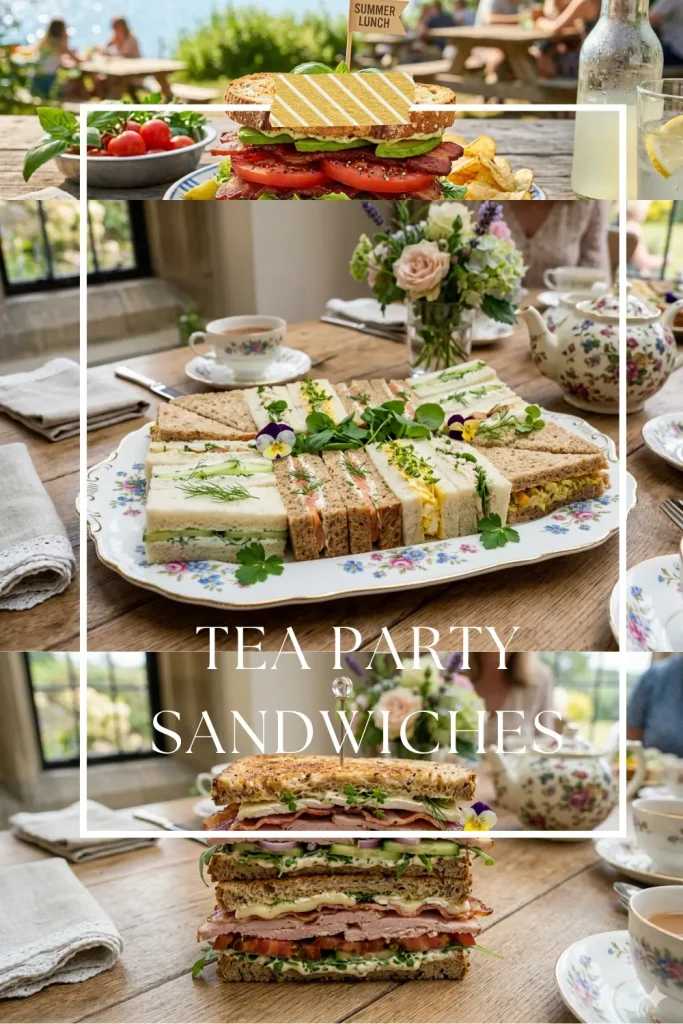
- Classic Cucumber Sandwich
Minimalist. Just butter, cucumber, salt, pepper. Clean and refreshing. - Egg Mayo Blend
Soft, creamy, slightly rich. Add a pinch of paprika for depth. - Smoked Salmon & Cream Cheese
Slightly indulgent. Add lemon zest for brightness. - Herb Cheese Spread
Mix cream cheese with parsley and dill. Works well on whole grain bread. - Chicken Tea Sandwich
Finely shredded chicken with light mayo and herbs.
A common assumption is “more variety = better spread.” In reality, 3–4 well-executed types outperform 8 average ones.
Serving Suggestions for Tea Party Sandwiches
Presentation is not decoration it’s communication.
- Arrange sandwiches in layered tiers
- Use neutral-colored plates to highlight textures
- Pair with light teas like Earl Grey or green tea
- Add small garnishes: lemon slices, herb sprigs
Serve slightly chilled, not cold. Flavor perception drops when food is too cold.
User Interaction
If you’re making these for guests, think like a host, not just a cook.
- Ask preferences in advance (veg/non-veg)
- Keep a mix of flavors: creamy, fresh, savory
- Observe which sandwiches go first this tells you more than feedback
In my experience, cucumber sandwiches disappear fastest—even though they seem the simplest.
Share Options
If you’re documenting or sharing your tea party setup:
- Take close-up photos of sandwich textures
- Capture layered trays for visual appeal
- Share quick prep clips on social platforms
Short-form content performs well here because the visuals are clean and structured.
Related Recipes
- Scones with clotted cream
- Mini quiches
- Lemon tarts
- Shortbread cookies
These complement tea sandwiches without overpowering them.
FAQs
Q1: Can I make tea sandwiches ahead of time?
Yes, but only a few hours before serving. Store them covered with a damp cloth to maintain freshness.
Q2: Why do my sandwiches become soggy?
Excess moisture usually from cucumbers or overused spreads. Always dry ingredients and use butter as a barrier.
Q3: What bread works best for Tea Party Sandwiches?
Soft, fresh bread. Avoid dense or crusty types they disrupt the delicate structure.
Q4: Are tea sandwiches always cold?
Mostly yes, but slight room temperature improves flavor.
Q5: How thin should the filling be in Tea Party Sandwiches?
Thin enough to maintain balance. Thick fillings overpower the bite.
Conclusion
Tea party sandwiches aren’t about complexity they’re about discipline. Every layer, every slice, every ingredient serves a purpose. When done right, they feel effortless. When rushed, they fall apart literally and structurally.
From personal experience, the real skill lies in restraint. Keep flavors clean, textures balanced, and portions precise. That’s what turns simple bread and filling into something memorable.
And once you get it right, you’ll notice something interesting: people don’t just eat them—they keep reaching for more.