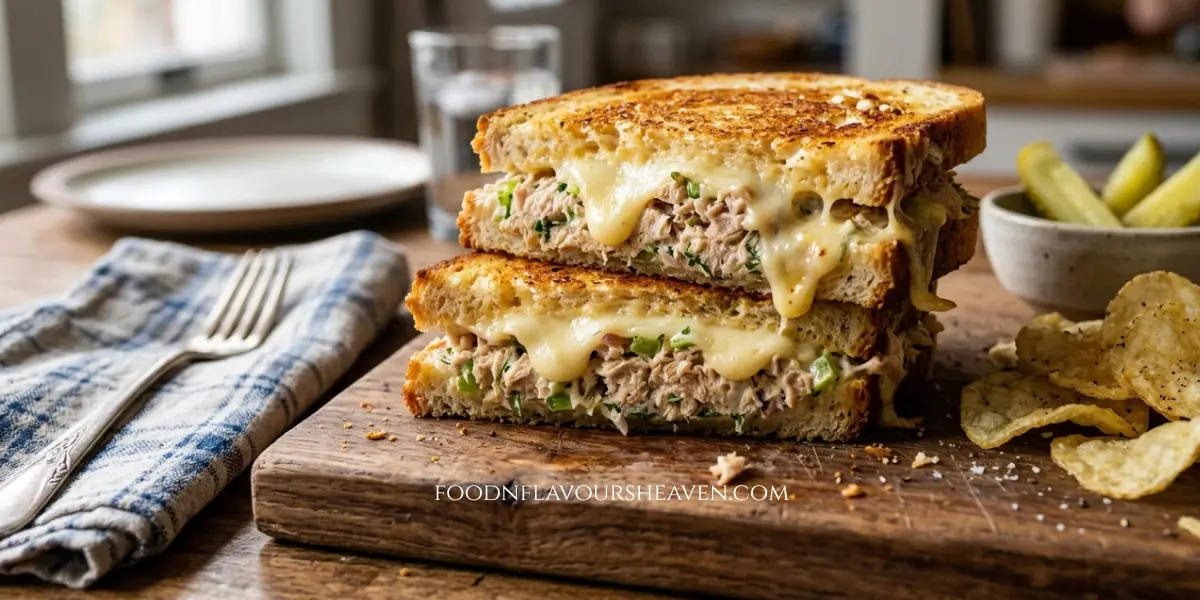
5 Easy Tuna Melt Recipes That Actually Work
There’s a moment in cooking that doesn’t get talked about enough the point where a simple dish either comes together perfectly or quietly falls apart. The tuna melt sits right in that space. It looks straightforward, almost too basic to think about deeply, yet small decisions completely change the outcome.
I didn’t realize this until I started making tuna melts under different conditions late-night meals, quick lunches, even testing variations side by side. What stood out wasn’t the ingredients themselves, but how slight adjustments in texture, layering, and heat created entirely different results.
Here’s the interesting part: most people approach tuna melts like a fixed recipe, but it behaves more like a flexible system. Once you understand how each component interacts the moisture in tuna, the melt profile of cheese, the structure of bread you stop following instructions and start building better versions naturally.
That’s exactly what this guide focuses on. Not just five easy recipes, but five practical ways to rethink how a tuna melt should actually work in real kitchens. however you can also make carrot cake overnight oats for weigh loss by just going through this recipe guide
Recipe Info
These five recipes are built for speed, texture contrast, and flavor clarity. Each one uses pantry-friendly ingredients and minimal prep.
- Prep time: 10–15 minutes
- Cook time: 5–8 minutes
- Skill level: Beginner to intermediate
- Core technique: Controlled heat + layered assembly
Across all variations, the foundation remains consistent: protein-rich tuna, fat-balanced spread, and controlled melt cheese interaction.
Ingredients
Here’s the base cluster I rely on—grouped in practical combinations rather than strict lists:
- Tuna chunks, drained well
- Mayonnaise, mustard, lemon juice
- Bread slices (sourdough, white, or whole grain)
- Cheese (cheddar, mozzarella, Swiss)
- Salt, black pepper, chili flakes
Optional but impactful additions:
- Onion slices, celery bits, pickles
- Butter or olive oil for toasting
- Fresh herbs like parsley or dill
Observation from experience:
If your tuna mixture feels wet before cooking, it will feel soggy after melting. Always adjust before heat hits the pan.
Instructions
Instead of repeating five full methods, here’s the core cooking logic you’ll reuse:
- Mix tuna with your chosen flavor base
- Spread evenly—not thick—on bread
- Add cheese strategically (top layer works best)
- Butter outer bread surface lightly
- Cook on medium-low heat
- Cover briefly to help cheese melt evenly
Key insight:
High heat ruins structure. Medium-low heat builds texture.
Tips & Notes
From actual kitchen mistakes:
- Drain tuna twice (press lightly with spoon)
- Use room-temperature butter for even browning
- Don’t overmix tuna—keep some texture
- Cheese melts better when not buried under tuna
- A lid traps heat—use it for 30–60 seconds only
Psychologically, people rush this recipe because it feels simple. That’s exactly why it fails. Precision matters more here than in complex dishes.
Nutrition Information
Tuna melts sit in an interesting nutritional space:
- High protein (tuna)
- Moderate fat (cheese + mayo)
- Carbohydrates from bread
Typical per sandwich:
- Calories: 350–500
- Protein: 20–30g
- Fat: 18–25g
If you swap mayonnaise with Greek yogurt, you reduce fat without losing creaminess.
Variations: 5 Different Tuna Melt Recipes
Now let’s break the usual expectation and explore variations not as “flavors,” but as functional upgrades.
1. Classic Balanced Tuna Melt
This is the control version.
- Tuna + mayo + mustard
- Cheddar cheese
- White or sourdough bread
Why it works:
Neutral, predictable, reliable. This is where you test your heat control.
2. Crunch-Enhanced Tuna Melt
- Tuna + mayo + chopped celery + onion
- Swiss cheese
- Whole grain bread
Real-world note:
Adding crunch changes perception. It feels fresher, even though it’s the same base protein.
3. Spicy Heat Tuna Melt
- Tuna + mayo + chili flakes + hot sauce
- Pepper jack cheese
- Toasted bread
Contrarian insight:
Spice doesn’t need to dominate—just disrupt the richness.
4. Mediterranean-Style Tuna Melt
- Tuna + olive oil + lemon + herbs
- Feta + mozzarella blend
- Rustic bread
Historical angle:
This version reflects how tuna is used in coastal cuisines—lighter, less creamy, more aromatic.
5. Minimalist Protein Melt
- Tuna + Greek yogurt
- Light mozzarella
- Thin bread slices
Why this matters:
It proves that a tuna melt doesn’t need heaviness to feel complete.
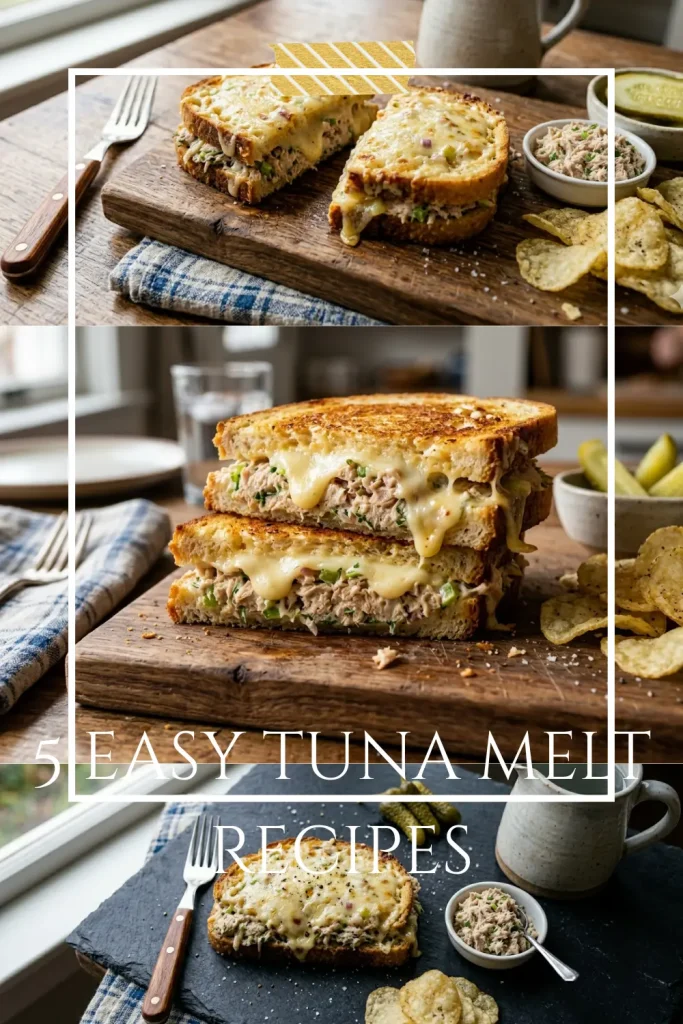
Serving Suggestions
Serving is often overlooked, but it changes the experience significantly.
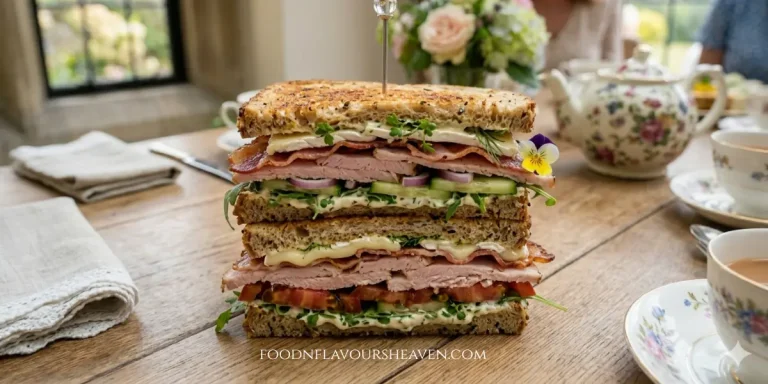
- Pair with tomato soup (classic comfort)
- Serve with a light salad for balance
- Add pickles for acidity contrast
- Cut diagonally for better heat distribution
From experience, cutting the sandwich immediately after cooking actually improves bite structure.
Related Recipes
If you’re exploring beyond tuna melts, these connect naturally:
- Grilled cheese sandwich variations
- Tuna salad wraps
- Open-faced melts
- Chicken melt sandwiches
These share similar techniques especially heat management and layering.
FAQs
1. Why does my tuna melt turn soggy?
Because of excess moisture. Drain tuna properly and avoid too much mayo.
2. What cheese melts best for tuna melts?
Cheddar, mozzarella, and Swiss are reliable. They melt evenly without separating.
3. Can I make it without mayonnaise?
Yes. Greek yogurt or olive oil works well as substitutes.
4. Is a tuna melt healthy?
It can be. Adjust fat sources and bread type to improve nutritional balance.
5. Can I use canned tuna in oil?
Yes, but reduce added fats to avoid heaviness.
Conclusion
After testing countless versions, here’s the unexpected takeaway:
A great tuna melt isn’t about creativity—it’s about control.
Control of moisture.
Control of heat.
Control of layering.
Once those are dialed in, even the simplest version becomes satisfying. And the five variations above aren’t just recipes—they’re small shifts in technique that change the entire result.
If you approach it like a quick fix meal, you’ll get average results.
If you treat it like a system, you’ll get consistency every time.
And that’s what makes a tuna melt worth mastering.